
Food and drink
Practical advice from Wikivoyage on safety, health, money, transport, food and more.

Alcoholic beverages
Alcoholic beverages were invented thousands of years ago, and have since given humankind pleasure and trouble. The customs, costs and laws for drinking vary greatly between countries.
Alternatives to alcohol
Many people avoid alcohol for various reasons; some for religion and others for secular health or legal reasons. Drinking is prohibited in some public spaces, and there are entire dry regions where alcohol is totally banned.

American cuisine
American cuisine is an amalgamation of food from different cultures, with strong influences from the British Isles, southern Italy, Greece, West Africa, France, Central and Eastern Europe, Scandinavia, Mexico, China and Japan, and from Native American ingredients and techniques. Almost every kind of food in the world can be found in the United States, and most have been adapted into forms that may be barely recognizable in the country of origin.

Argentine cuisine
The cuisine of Argentina is particularly famous for its huge steaks and barbecued meat. The culinary scene is naturally about much more than meat dishes; immigrants from all parts of the world, and to some extent the native peoples, have all made their contributions to the country's cuisine.

Australian cuisine
Australian cuisine is hard to pin down: in this nation of immigrants, restaurants claiming to offer it are few and far between, and the word tends to either evoke meat-and-three-veg British stodge or tourist-trap restaurants hawking kangaroo burgers and crocodile kebabs. Yet with amazing local produce, influences from cuisines from all over the world, and an exciting Modern Australian food scene awaiting those not afraid to experiment, there are plenty of incredible eats and drinks to be found.

Beer in Ontario
Canada's most populous province, Ontario, has an active beer culture. While globalization of the brewing industry has resulted in the major players in Canada being acquired by or merged with foreign companies, craft brewing has boomed in the province.

Brazilian cuisine
Given that Brazilian culture has been formed from traditions from all over the world - native, European, African and Asian - Brazilian cuisine is unsurprisingly very diverse both when it comes to dishes and ingredients.

Bread and confectionery
Bread and confectionery are foodstuffs based on flour and sugar. While bread is usually low-cost staple food, confectionery is a sweet snack or dessert, sometimes made into an advanced art.

Burmese cuisine
Burmese cuisine reflects the history, ethnic and climatic diversity of Myanmar. Less well known than the neighbouring cuisines of China, India and Thailand due to a smaller diaspora and reclusive government in modern times, the cuisine of Myanmar shares many features with its neighbours but is full of unique dishes and flavours as well.

Cambodian cuisine
Cambodian cuisine is one of the most underrated and overlooked cuisines in Asia. It encompasses the food cultures of all Cambodia's ethnic groups – the Khmers, Khmer Loeu, Vietnamese, Chams, Mountain Chams, Lao and the Chinese.

Camping food
For a casual picnic in the city park, you can bring more or less any food. However, when outdoor life takes you far from restaurants, supermarkets, kitchens and refrigeration, you need camping food that is easy to carry and either ready to eat or readily cooked in the outdoors.

Catalan cuisine
Catalan cuisine is a travel topic.

Central Asian cuisine
The cuisine of Central Asia reflects its history and cultural influences with its Turko-Mongol nomadic heritage, Silk Road connections, Persian and Russian rule and Islamic dietary laws all shaping the food eaten in the region. You will find common dishes throughout Central Asia as well as dishes unique to one or two countries.

Chain restaurants in the United States and Canada
A step up from fast food outlets in terms of service, selection, price, and atmosphere (though not necessarily in tastiness), "casual dining" chain restaurants proliferate in North American suburbia. Like fast food chains, the main advantages are a comfortable familiarity and reliable (if middling) quality, but the casual dining segment adds sit-down table service, broader menu variety, and a more relaxed pace.
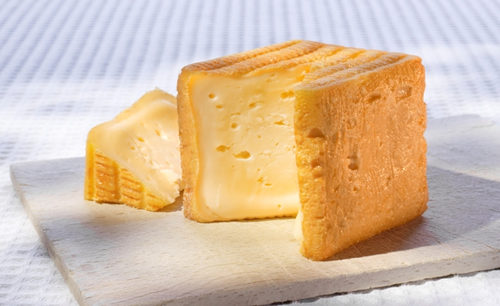
Cheese
Cheese is a dairy product made in endless variations around the world. Though trade is extensive, it is still regulated and sometimes forbidden from importation for medical and political reasons, and some kinds of cheese are best experienced locally.

Chinese cuisine
The origins of Chinese cuisine can be traced back millennia. Chinese cuisine is extremely diverse with wide regional variations, and it is not uncommon for even Chinese people themselves to find the cuisine from another region to be completely foreign to them.

Chocolate
Chocolate can be food or a drink. It is typically sweet and is made from ground and roasted cacao beans.

Coca
Coca (Erythroxylum coca) is a plant whose leaves have been traditionally used in a number of Andean cultures, notably in tea, chewing, and rituals, and remains in wide, legal use in the corresponding modern countries in South America. However, as a raw material for cocaine, coca leaves and derived products (unless decocainized) are illegal in the vast majority of countries, under the 1961 Single Convention on Narcotic Drugs.

Coffee
Coffee is one of the world's most popular drinks, with significant cultural variations. It is also the most consumed psychotropic substance (by number of regular or intermittent consumers) in the world and present almost everywhere.

Cuisine of Britain and Ireland
British and Irish cuisine had a reputation for bland food such as dry roast meat with soft-boiled vegetables from the post-war era until the 1990s. A resurgence in cuisine has led to Britain and Ireland having restaurants and chefs to match the best in the world, with much international diversity of cooking styles, as in most other European countries.
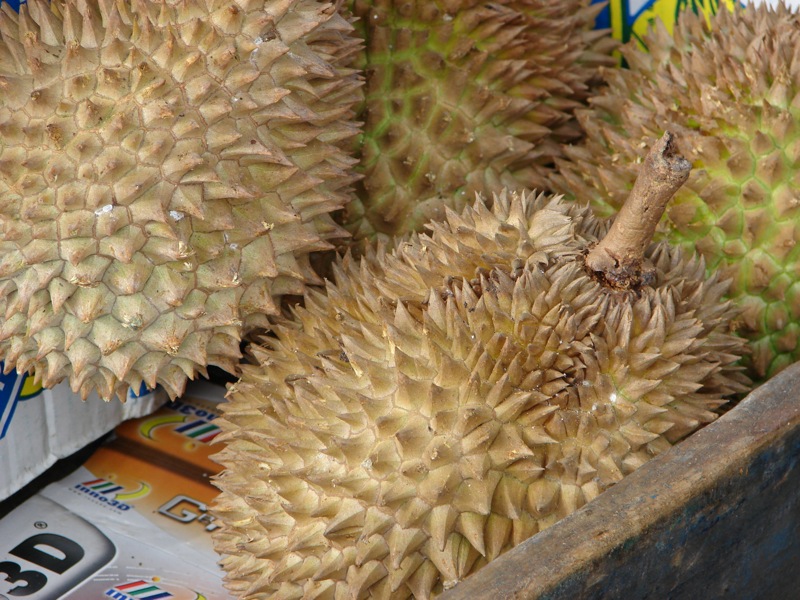
Cuisine of Malaysia, Singapore and Brunei
Malaysia, Singapore and Brunei are former British colonies in Southeast Asia that are at the crossroads of Malay, Indian and Chinese cultures, and topped off with British influences from the colonial era. This is most noticeably reflected in their cuisines, making them excellent places to makan (eat in Malay).
Culinary tourism
Culinary tourism is travel primarily centered around food.

Fast food in the United States and Canada
While part of the joy of travel is experiencing new cuisines and expanding one's epicurean horizons, sometimes a hungry traveller just wants something familiar, with consistent quality, quick service, and a low price. This is where the fast food restaurant shines.

Filipino cuisine
With over 7,500 islands, Filipino cuisine is a mish-mash of hundreds of local, regional, and ethnic cuisines that defies easy generalizations. The Spanish colonial era brought Spanish influences like stews cooked with vinegar, giving rise to the national dish adobo, and spit roasting a whole pig until the skin was crispy giving rise to lechón, as well as Mexican ingredients like as corn and tomato.

Fine dining
Fine dining is a particularly refined form of dining that focuses on the experience of dining: attentive table service, luxurious decor, premium ingredients, and an extensive wine list. The white tablecloth has become a symbol of fine dining, and these establishments are sometimes called white-tablecloth restaurants.
Food tours
Food tours are a relatively new but rapidly growing area of tourism.

French cuisine
Many people of France regard their cuisine to be the best in the world. France is the origin of the Guide Michelin rating system, and ties Japan (which has twice the population) for the highest number of stars in the guidebook.

Fruits and vegetables
In today's globalized market, so many fruits and vegetables are transported and consumed worldwide that it is easy to forget that it is difficult or impossible to taste quite a lot of things, or at least good examples of them, unless you go where they are growing. Travel is a great way to expose your palate to new delights.

Georgian cuisine
Georgian cuisine is very varied. In addition to its many famous meat dishes, there are also a range of vegetarian and vegan dishes, in part due to the ubiquitous presence of the Orthodox Church which prescribes frequent 'fasting' days requiring a form of abstinence close to veganism.

German cuisine
German cuisine offers many different regional cooking styles and culinary specialities. Both traditional food and drinks and new creations and variations are appreciated.

Greek cuisine
The Greek cuisine is one of many great Mediterranean cuisines. Greece welcomes about 30 million visitors every year, and as such many beachgoers and cultural tourists will also get to know the delicacies of the Greek cuisine.
Herbs and spices
Herbs and spices are added to food and drinks in small amounts for their taste, and sometimes for medical purposes or as a food preservative. Spices have long been quite important in world trade.
Ice cream
Ice cream in its numerous forms has become a beloved dessert throughout the world. Trying out a local flavor or style of ice cream during vacation, especially in hot weather, is one of the great travel experiences.

Indigenous cuisine of the Americas
The many indigenous tribes and nations of the Americas (see Indigenous cultures of North America, Indigenous cultures of Mesoamerica and Indigenous cultures of South America) each had somewhat different foods, and many of their dishes are available today. In most cases there has been considerable influence in both directions between indigenous cultures and colonial cultures.

Indonesian cuisine
Indonesian cuisine is an umbrella term referring to the culinary traditions spanning the archipelago of Indonesia, using different ingredients and spices to create a rich and flavourful masterpiece. It has left strong influences on the cuisine of neighbouring Malaysia and Singapore and can also be found in other countries that have long associations with Indonesia, such as the Netherlands and Suriname.

Italian cuisine
While Italian cuisine is known around the world for dishes such as pizza and pasta, the domestic cuisine of Italy itself differs a lot from internationalized Italian dining. There are also regional variations that even a century and a half of a unified Italy and increased internal migration have not yet fully leveled.

Japanese cuisine
The traditional cuisine of Japan (和食, washoku), renowned for its emphasis on simple, fresh, and seasonal ingredients, has taken the world by storm and been a UNESCO Intangible Cultural Heritage since 2013. A culinary trip around Japan will make your taste buds dance between various flavors, topped with the platter's presentation that is delightful to the eyes.

Kashrut
Kashrut is the system of Jewish dietary laws. Food permitted under Kashrut is called kosher.
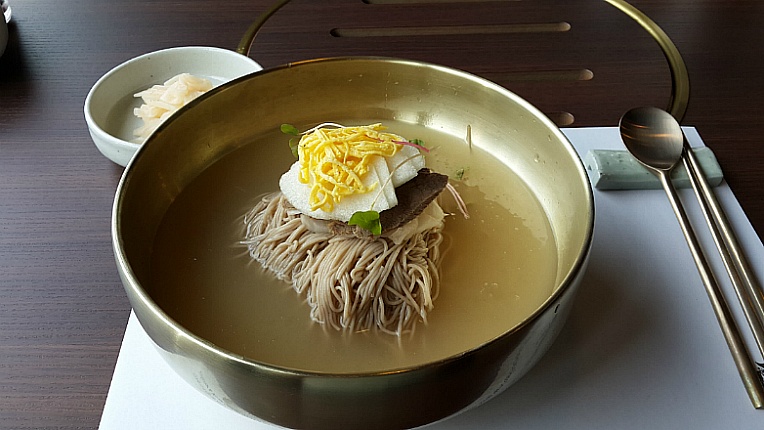
Korean cuisine
Korean cuisine can be found in North Korea, South Korea and Northeast China as well as with the Korean diaspora around the world.

Legacy food markets
While food and drink can be bought affordably in a supermarket, there are many traditional market halls, bazaars and fish markets which make shopping an experience in its own right. Market halls contain retailers for food and similar products, in particular goods such as meat, seafood, cheese, confectionery, herbs and spices, wine, alcoholic beverages and farmed goods such as flowers and holiday ornaments, often with restaurants on the same site.

Meat
Meat is a delicacy in most parts of the world. However, many people do not eat meat, for ethical, environmental or religious reasons.

Mexican cuisine
The cuisine of Mexico is one of the world's great culinary traditions, which in 2010 became the first cuisine to be recognized by UNESCO as an Intangible Cultural Heritage of Humanity. It is mainly influenced by indigenous American foodways fused together with Spanish cuisines.

Middle Eastern cuisine
While the Middle East is vast and diverse, similar culinary traditions can be found across the region. They have been formed by the Mediterranean climate, commercial routes to Europe, Asia and Africa, and the Abrahamic religions of Judaism, Islam and Christianity.

Nigerian cuisine
Nigerian cuisine consists of dishes or food items from the hundreds of ethnic groups that comprise Nigeria from the north to the south to the east and the west. Nigeria is home to numerous varieties of foods.

Nordic cuisine
The cuisines of all Nordic countries are quite similar, although each country does have its signature dishes.

Peruvian cuisine
Peruvian cuisine is among the most varied in the world.

Pizza in the United States and Canada
In less than a century, pizza has transitioned from exotic foreign fare to one of the cornerstones of American and Canadian informal (and, increasingly, not-so-informal) cuisine. Many regions have their own pizza traditions with toppings, shapes, and dough styles differing widely, and North American pizza can be wildly different from Italian pizza.

Portuguese cuisine
Portuguese cuisine comes from mainland Europe's westernmost country. Portugal's Atlantic coast and the Age of Discovery have left their marks on the nation's cooking.

Russian cuisine
As Russia is the world's largest country by land area, with a long history through the Russian Empire and the Soviet Union, it has a rich culinary tradition, with commonalities with Nordic, Central European, Balkan, Middle Eastern and Chinese cuisines.

Seafood
Seafood is taken in this article to include products from aquatic animals including fish, crustaceans and mollusks. Usage in the English-speaking world varies, and many English-speakers consider only crustaceans and mollusks to encompass the term "seafood", so that "fish and seafood" is not a redundant expression for them.

Soft drinks
Different soft drinks are popular around the world. On a trip abroad you may encounter interesting beverages that you’ve never heard of before — do try them out.
South Asian cuisine
While South Asia is a vast subcontinent with diverse climate and culture, some culinary traditions can be found across the region. With the Indian, Pakistani, Bangladeshi, Nepali and Sri Lankan diasporas, not least within the former British Empire, the cuisines of South Asia have spread around the world.

Spanish cuisine
Although less famous than its culinary neighbours to the east or north, Spanish cuisine is one of the great cuisines of the Mediterranean, and Spaniards are very proud of their gastronomy.

Street food
Colourful and diverse, street food is an experience you can find in cities and towns all around the world. It's generally convenient and cheap, but its appeal goes far beyond that.

Tea
Tea is a drink made from either fresh or dried leaves of Camellia sinensis, an evergreen shrub native to Asia. Because it normally requires very hot water to steep, it is a healthy way to drink water contaminated with microbes, which are killed by boiling.

Thai cuisine
Thai cuisine is one of the most popular cuisines in the world because of its lightly prepared dishes with strong aromatic components and a spicy edge. In 2017, seven Thai dishes appeared on a list of the "World's 50 Best Foods" — an online poll of 35,000 people worldwide by CNN Travel.

Travel as a vegetarian
Vegetarians and vegans can eat quite well in most countries. While the traditional cuisine and style of eating in many countries can make it a bit difficult for vegetarians or vegans to find food without animal products in it, most cultures have at least a few vegetarian dishes, and restaurants are often willing to leave out or substitute animal ingredients.

Travelling on a low-carbohydrate diet
Many people are on low-carbohydrate diets in order to lose weight, control or stave off diabetes, or for other health-related reasons. It can be more difficult to maintain a low-carb diet while travelling, especially if you need to eat a lot of food in restaurants or as a guest in the private homes of people who may not make allowances for your diet, but it is by no means unworkable.

Vietnamese cuisine
Vietnamese cuisine is one of Southeast Asia's great cuisines. Because of the large Vietnamese diaspora, Vietnamese food, in particular from cuisine the South, can be enjoyed around the world.

Water
This article is about water as a consumable. See water sport for activities in bodies of water.