
Cuisine of Malaysia, Singapore and Brunei
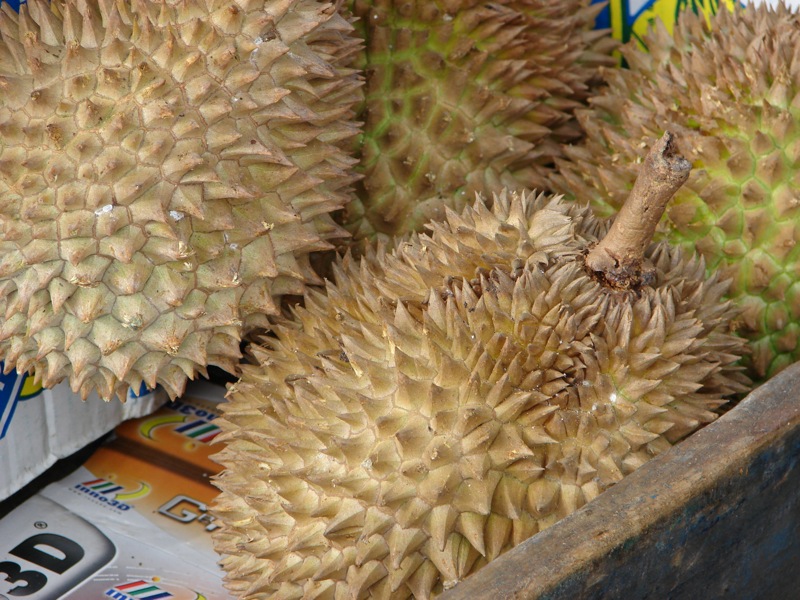
Photo: Flickr user: burgermac from Pornichet, France, CC BY 2.0 via Wikimedia Commons
Malaysia, Singapore and Brunei are former British colonies in Southeast Asia that are at the crossroads of Malay, Indian and Chinese cultures, and topped off with British influences from the colonial era. This is most noticeably reflected in their cuisines, making them excellent places to makan (eat in Malay). Look out for regional specialities and Nyonya (Peranakan) cuisine, the fusion between Malay and Chinese cooking. There is even unique Eurasian cooking to be found in the Portuguese Settlement in Malacca, the heart of the Portuguese Eurasian community.
UnderstandMany regional terms and the odd euphemism tend to crop up in notionally English menus. A few of the more common ones:
DelicaciesSubtlety is not a priority in Malay cooking, as it is characterised by a liberal use of spices (the most important are star anise, cinnamon/cassia, cardamom and cloves - dubbed rempah empat beradik or the four spice…
Where to eatThe cheapest places to eat are hawker stalls and coffeeshops, known as kedai kopi in Malay or kopitiam in Hokkien. These shops sell, besides coffee, many other types of food and drinks.
Dietary restrictionsFinding halal food in Malaysia and Brunei is easy since they are Muslim-majority countries, but most Chinese stalls and restaurants are not halal. Ask if in doubt.
See also
Sources and licences
- Guide text adapted from the Wikivoyage article "Cuisine of Malaysia, Singapore and Brunei" by its contributors, available under CC BY-SA 4.0. Read on Wikivoyage · Contributors · CC BY-SA 4.0
- Photo: Flickr user: burgermac from Pornichet, France, CC BY 2.0 via Wikimedia Commons