//

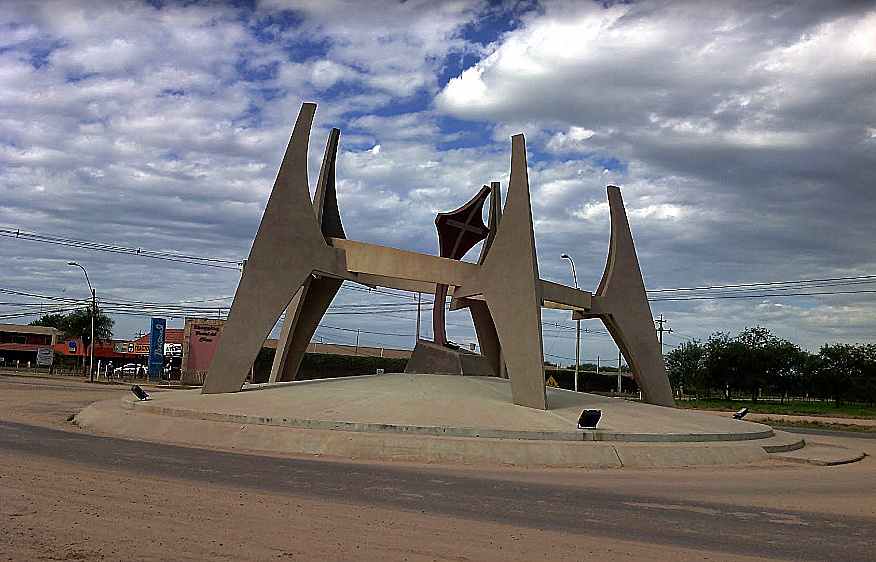
Town in Boquerón, Paraguay
Photo: Cmasi, CC BY-SA 4.0 via Wikimedia Commons
Filadelfia is the largest and most important of the Mennonite colonies established in Western Paraguay located 467 km northwest from Asunción. A unique place thanks to its Mennonite heritage, Filadelfia is very different from the rest of Paraguay mainly due to being an industrialized town, German-speaking, and with an economic model based in the cooperative work that provides its citizens a living standard well above that of the country's average. Its remote location and being surrounded by the harsh, sparsely populated, desert-like environment of the Chaco adds a special air to the city. There are also pristine nature reserves not far from town, excellent historical museums, and good lodging and eating facilities. All this in a welcoming Mennonite community just off the desolate Transchaco highway.
From the travel guide. Select a place for details, a map and what is nearby.
A very good museum spread over two buildings. The oldest building was built in 1933/34, shortly after the founding of the colony, and is one of the few remaining original administrative houses of the city and it was used for civil and religious ceremonies. It was converted into a museum in 1980 and named after Jakob Unger, a Mennonite specimen collector, who was the first of the pioneers to perform a scientific study of the fauna of the Chaco from 1950 to 1975. The first building is devoted to Mennonite history, and there are many artifacts from the original colonists including the printing press for the newspaper Mennoblatt, which is still published today. There is also a collection of relics from the Chaco War. Out front stands a large saw, the first machine in the community saw mill. In the second building is the natural history section, which houses an impressive collection of stuffed animals from the Chaco, including a jaguar, armadillo, coatí, puma, anteater, wolf, tapir, tree sloth, skunk and a boa constrictor. There are also 210 out of 250 bird species found in the area, and a large section devoted to insects. Items are well-labeled, so visiting the museum is an excellent way to learn about the region's fauna. The back room is dedicated to the various indigenous groups the predated the Mennonite's arrival to the Chaco and include utilitarian objects, textiles, feathered headdresses, handicrafts, weapons, and ceramics. The museum has a pleasant garden, the Plaza de los Recuerdos, with several examples of the quirky palo borracho tree. In the park there is also the First Monument erected in town, a small obelisk, placed in 1955, on the 25th anniversary of the foundation of the colony.
The museum exhibits what a typical house from colonial times looked like, including an old kitchen and some original household appliances. It was built in 1948 by Jakob Knelsen. It was the only hotel in Filadelfia for many years. In 2002, at the initiative of some citizens the house was renovated and converted into a household museum.
Located where the original peanut silo was built in 1957. The building today is like a symbol of the industrial revolution that the Mennonites started in the 1950s and continue today. In 1958 a peanut oil refinery started operating in the building which, with its three stories, was the tallest in the colony, and it became part of an emblematic industrial park, a novelty for Paraguay in those years. The museum showcases the old cauldron and agricultural machinery used in the process of peanut collecting and industrialization. It's considered the foundation stone of what made Filadelfia the economic power that it is today.
hospital museum
This museum is housed in the first structure built on the current hospital premises, a little house dating from 1932. With just two rooms it was used as a doctor's office, procedures room, maternity ward, laboratory, and eventually as the hospital director's office. It showcases photos depicting the hospital's history and exhibits furniture and medical instruments brought from Germany in 1931. The museum is named after Dr. Wilhelm Kaethler, one of the first Paraguay-born Mennonite doctors who began to establish a medical practice for the colony's residents and their indigenous neighbours in the 1950s.
school museum
The old school building which opened its doors in 1936. One part of the exhibit is about the elementary school depicting how life was in the first school to open its doors in the Chaco wilderness. Furniture from that time, books and other school materials, including blackboards and markers, are shown. Also pictures of the different schools in the nearby settlements, teachers list, and school statistics are available. Another exhibit presents technological development in the school throughout the years such as writing and typing machines, projectors, and a copy machine.
Faith, Unity and Labor monument
Abstract monument built in 1980 to celebrate the 50th anniversary of the colony. This monument is one of the symbols of Filadelfia and is in the middle of a roundabout at the junction of the city's two main avenues: Avenida Hindenburg and Avenida Trébol.
Living and Growing Together monument
Built in 2005 to commemorate the Fernheim colony's 75th anniversary. Located at the entrance of town, is of a more ambitious design: five figures of varying heights, representing the various ethnic groups that live in the area, hold up a ring with a cross in the middle. It looks its best at night when it is floodlit and resembles a crown.
An open air museum whose purpose is to remember the means of communication in the early settlement years. The initial Fernheim colonists had to travel from Puerto Casado, 215 km to the west on the river Paraguay, covering one part of the journey in a narrow gauge train, and the last 90 km had to be with wagons pulled by donkeys and mules and later with tractors and trucks. The Puerto Casado railway was a key means of transport and for colonists to do commerce during their first three decades in the Chaco.
downtown park
A park built to celebrate the 25th anniversary of the colony. In the park there is a memorial to the hard times of the first settlers.
Located around the Eirene clinic which is also a psychiatric unit and it can be visited too.
City park with lots of urundey trees.
Chaco Research and Conservation Center
A research center dedicated to the conservation of the peccary (known locally as taguá). You can see three different species of peccary up close. There is a guest house with dorm rooms and kitchen for visitors who want to stay for two or more days (booking is required). The center's location is ideal for nature enthusiasts and those who want to venture into the Chaco. You need to bring all your supplies with you as the nearest store is in Filadelfia. Just to the left of the center is Fortín Toledo, a historic site from the Chaco War, which is worth visiting.
A historic site from the Chaco War (1932-35) where one of the major battles of the conflict took place between 26 February and 10 March 1933. Two cemeteries, one Paraguayan and one Bolivian, honor the over 1000 soldiers from both sides who died in combat during the battle.
The hotel's restaurant is quite good and popular with the locals. Pizzas are tasty and affordable (GS.70,000, feeds two). At night, dining in the hotel's courtyard is very pleasant, and it might be the only centrally-located option open on Sundays and holidays.
Simple restaurant with very tasty food.
A popular restaurant specializing heavily in meat, beef in particular (no surprise in this part of the world). Does buffet lunches, sold by the kilogram.
Food court of the adjoining supermarket of the same name. It offers a buffet and à la carte selections.
Quiet place to have lunch and dinner. It has a playground for children.
Extensive menu. On Saturday nights and Sunday lunch they offer asado and buffet.
It is the only backpackers-priced accommodation in the whole Chaco region. It offers a nice grass area under some big trees, bathroom and electric plugs. The check-in is done through the tourist office, so you have to arrive there while it is open (M-Sa 07:00-11:30, M-F 14:00-16:00, Su closed).
Generally agreed to be the best hotel in Filadelfia. Centrally located at walking distance from tourist attractions in the city. Good service, pool & a pleasant inside courtyard. Rooms in old section are cheaper. Good restaurant. Evening dinners are good quality and reasonably priced.
Good breakfast, comfortable, clean. Hans might help you to find a motorbike rental.
Run by the Touring and Automobile Club. Modern hotel with pool and a good restaurant. Rooms are comfortable and well appointed. Good value even though is quite far from the city, so it's only practical if you are in a private vehicle.
An estancia (ranch) converted into a 45-bed lodging facility by a family of Russian origin who has owned the place for 80 years. Horse riding and hiking tours into the wilderness that surrounds the premises. Swimming in natural pool (tajamar). English and German spoken. Booking required. It offers half and full day excursions to tourist sites and nature reserves in the area. Transfer from Filadelfia bus terminal can be arranged for 100,000Gur.
The storefront of the Fernheim Cooperative is worth visiting to see the wide varietes of goods produced in this Mennonite colony.
handcraft shop
Very nice craft shop run by the municipality for the indigenous to show and sell their crafts. Woven clothes, baskets, wood carved objects.
city bookstore
Books and reading material for all ages, mostly in German. 99% of items on offer are of Mennonite religious content.
Shopping arcade with banks, general stores, clothing boutiques, etc.
By bus
Buses terminate at the NASA office on calle Chaco Boreal; you may also disembark on the hotels located along Avenida Hindenburg, the main street.
By car
Filadelfia has good road connections to Asunción and the other Mennonite colonies of the Chaco. Even if the road is not paved it will be well kept by the Fernheim Cooperative.
The town sprawls several kilometers in all directions and there is no public transportation, except for a few taxis, but the terrain is flat and most of the interesting places and tourist attractions can be easily…
Read in the guideArticles and travel topics about Filadelfia and Paraguay.
 Itineraries
The Paraguay River (Río Paraguay in Spanish, Rio Paraguai in Portuguese) is a major river in south central South America, running through Brazil, Bolivia, Paraguay and Argentina.
Wikivoyage
 Nature & adventure
Paraguay has 15 national parks. The national parks of Paraguay protect and preserve the wildlife and national resources of the country.
Wikivoyage
 Travel tips
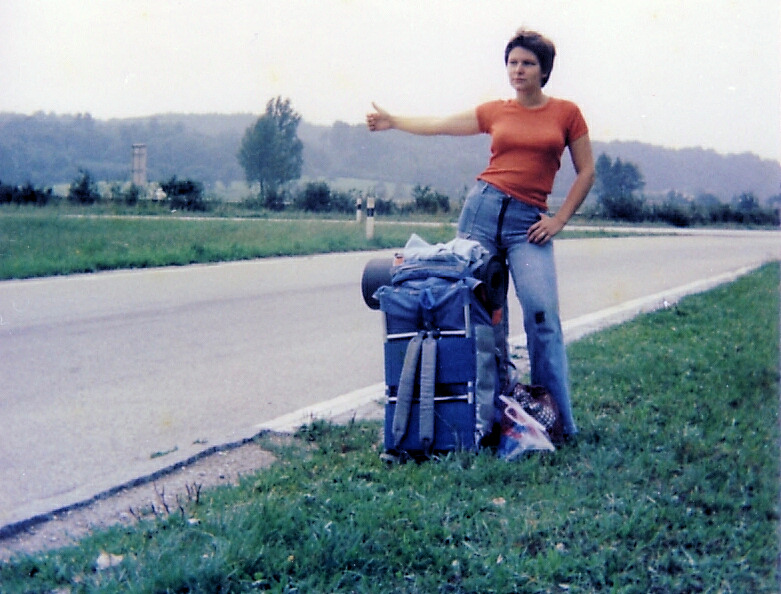
Hitchhiking is one of the cheapest ways of traveling. By tradition, hitchhiking is defined as soliciting a ride by standing at the edge of a road, facing traffic, with one's thumb extended/upwards.
Wikivoyage
 Food & drink
Different soft drinks are popular around the world. On a trip abroad you may encounter interesting beverages that you’ve never heard of before — do try them out.
Wikivoyage
Every section of the guide. Open one to read it in full.