//


Association in Boquerón, Paraguay
Photo: Cmasi, CC BY-SA 4.0 via Wikimedia Commons
Neuland is a city in Boquerón department in Western Paraguay. Located 464 km northwest from the capital, Asunción, it's the smallest of the Mennonite colonies established in the central Chaco with about 2,500 inhabitants, many of whom are German-speaking. It's a charming small town surrounded by the desert-like environment of the Chaco. The town's plaza and museum are nicely done and those intrigued by the Mennonite culture will find this to be enough of a reason to visit Neuland. Additionally, visitors take advantage of its proximity to the Chaco War most well known historical landmark, Fortín Boquerón, located 27 km away.
From the travel guide. Select a place for details, a map and what is nearby.
city museum
Of the three Mennonite city museums of the Chaco, the one of Neuland gives the best idea of how life was for the early settlers. Built as the school, the museum has been set up to resemble a typical Mennonite dwelling with a main house, a covered barn for farming equipment, and a separate building for the kitchen. There are various items used by the settlers upon their arrival including butter churns, sausage fillers, and many handmade objects that are a testament to their make it work attitude. Particularly interesting are the large egg incubators used to transport eggs during the week-long journey to the market in Asunción and a strange machine created to make ceramic bricks and tiles.
city park
The small, well maintained city park is the site of three commemorative statues. The first statue is of a Mennonite woman working the land and is an homage to the early women settlers who came to Paraguay seeking a new future. The second and third statues are memorials for the 25th and 50th anniversary of the colony's founding. On the far end of the plaza is a well-digging machine donated to the colony by Dutch Mennonites in 1967. This machine was used to dig more than 1000 wells in the area, a key improvement for the colonists who were digging the wells with their own hands by that time.
city church
Built in 1955 with the contribution of Mennonites from North America. The fact is that every member of the colony had to collaborate in the construction of the church with 17 days of work under the label of community service. After 20 months of work the church was finished. It's open for visits arranged previously through the tourist office.
Well preserved city park with lots of trees.
friendship park
This park has the peculiarity that the terrain has been left in a natural state in order for visitors to have an idea of what the area looked like when the first settlers arrived.
Founded in 1928 to stop the advance of Bolivian troops, Fortín Boquerón is one of the Chaco War's most significant historic landmarks. Strategically located near fresh water reserves, the fort played a key role in the hostilities between Paraguay and Bolivia both before and during the Chaco War in 1932-35. In 1928 the fort of Boquerón was taken by Bolivia, but then taken back by Paraguay. In July 1932 Bolivia took the fort again, and in September the same year it was retaken by Paraguay in a costly and bloody siege that marked a decisive victory for Paraguay. It still took Paraguay another three years to push the Bolivians out of the Chaco, and the peace settlement was not signed until 1938. Today, it is the site of a large museum complex dedicated to the war, showcasing an extensive collection of Chaco War photos and weaponry. The premises also retain many of the original 3,800 m of defensive trenches, most about 1.5 m deep. Although they are no longer fortified with barbed wire and snipers positions, the thorny vegetation surrounding the trenches and the intense heat is enough to make you pity of the Chaco War soldiers. The tourist trail follows along the old trenches and leads to two small cemeteries for Bolivian and Paraguayan soldiers. Along the way, there are palo borracho trees whose trunks were hollowed out to create hiding places for snipers. The area along the trenches is overgrown, but at the site of the Paraguayan cemetery you will see the savannah-like cleared lands with wild grass similar to what the battlefield looked like in 1932. Presiding over the cemetery is a large, original cross. The clearing in front of the museum features an evocative statue of a Paraguayan soldier created by the famed Paraguayan artist Herman Guggiari. The site is best visited with a guide that can be hired through the tourist office in Neuland or Filadelfia. Another option is to hire a taxi for a roundtrip from either Filadelfia or Neuland.
A historic place from the Chaco War (1932-35) where one of the major battles of the conflict took place between 26 February and 10 March 1933. Two cemeteries, one Paraguayan and one Bolivian, honor the over 1000 soldiers from both sides who died in combat during the battle.
Chaco Research and Conservation Center
A research center dedicated to the conservation of the peccary (known locally as taguá). You can see three different species of peccary up close. There is a guest house with dorm rooms and kitchen for visitors who want to stay for two or more days (booking is required). The center's location is ideal for nature enthusiast and those who want to venture into the Chaco. You need to bring all the supplies as the nearest store is in Filadelfia. Just to the left of the center is Fortín Toledo, a historic site from the Chaco War, and worth visiting.
Part of the Hotel Boquerón, the restaurant has good meals, specializes in German and Paraguayan cuisine. It offers a buffet for lunch.
Advertised as the best pizza in the Chaco. Is the city's pizza place. Popular at night.
Although is the only hotel in town, it's a very good one. With 22 rooms it has a new wing with rooms nicely done and an old wing with cheaper, shared bath rooms. The restaurant serves up decent meals and has a small lunch buffet as well.
The storefront of the Neuland Cooperative. In 1996 the original store was demolished to give place to the new supermarket-style general store. It's worth visiting to see the wide varietes of goods produced in this Mennonite colony.
bookstore
Books and reading materials, mostly in German. It also sells maps and postcards of the region.
honey store
The place where the honey producers sell their products. The honey from the Chaco is one of the best natural honeys in the market. It's exported to all over the country.
By bus
Stel Turismo runs daily buses from Asunción (US$13) 7 hr, and NASA/Golondrina runs daily buses from Filadelfia and Loma Plata, from where you can catch more buses to Asunción or, if you intend to…
By car
Neuland is 20 km off the Transchaco highway. The turn off is on the 450 km marker of the highway. If coming from Asunción turn left on the paved road that leads to the center of town.
Articles and travel topics about Neuland and Paraguay.
 Itineraries
The Paraguay River (Río Paraguay in Spanish, Rio Paraguai in Portuguese) is a major river in south central South America, running through Brazil, Bolivia, Paraguay and Argentina.
Wikivoyage
 Nature & adventure
Paraguay has 15 national parks. The national parks of Paraguay protect and preserve the wildlife and national resources of the country.
Wikivoyage
 Travel tips
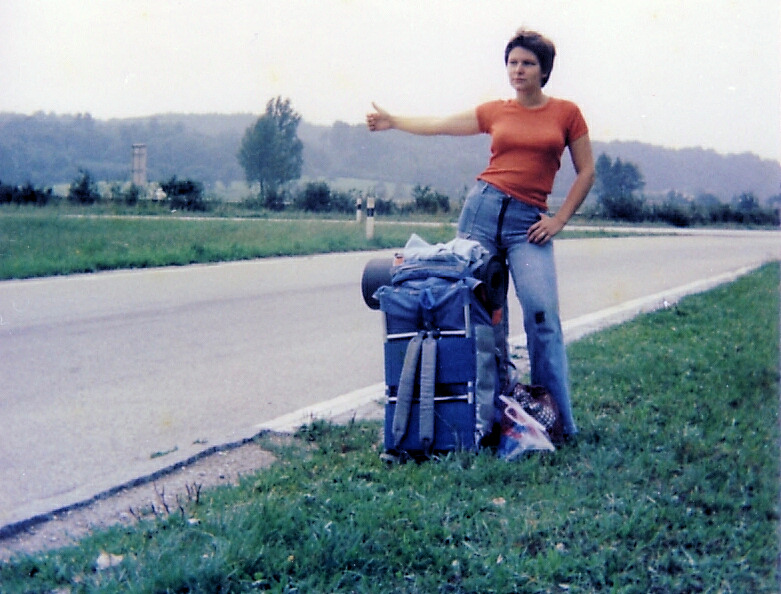
Hitchhiking is one of the cheapest ways of traveling. By tradition, hitchhiking is defined as soliciting a ride by standing at the edge of a road, facing traffic, with one's thumb extended/upwards.
Wikivoyage
 Food & drink
Different soft drinks are popular around the world. On a trip abroad you may encounter interesting beverages that you’ve never heard of before — do try them out.
Wikivoyage
Every section of the guide. Open one to read it in full.