//


Paraguay
Photo: Peer V, CC BY-SA 3.0 via Wikimedia Commons
The Paraguayan Chaco is a region covering the western half of Paraguay. It is the Paraguayan portion of the Chaco, a South American region that includes parts of Argentina, Paraguay, Bolivia, and Brazil. It attracts travelers who are drawn by the region’s wilderness scenery that offers the possibility of seeing many wild animals, untamed nature, indigenous culture, and several prosperous Mennonite colonies. The Mennonites established their colonies in the early 20th century and colonies reflect the national origins of its members. Groups of Mennonite settlers came from Canada, Germany and Russia. Mennonites accounted for just under 39,000 residents of the Chaco as of 2022.
By car
The Transchaco highway is the vital communication artery. It runs from Asunción all the way to the Bolivian border.
In Boquerón, public transportation is limited to a few buses travelling between the Mennonite colonies and some more prominent villages, mostly operated by NASA/Golondrina.
Read in the guide
Bahía Negra is a town 9f 2,800 people (2022) in Alto Paraguay department in Western Paraguay. It's the northernmost town along the river Paraguay and it's surrounded by a Pantanal-like environment.

Fuerte Olimpo is a town in Western Paraguay. The capital of Alto Paraguay department, it's one of the most picturesque riverside ports along the river Paraguay with beautiful hills rising behind it, an old Spanish fort dating back to 1792, and an attractive cathedral of María Auxiliadora.
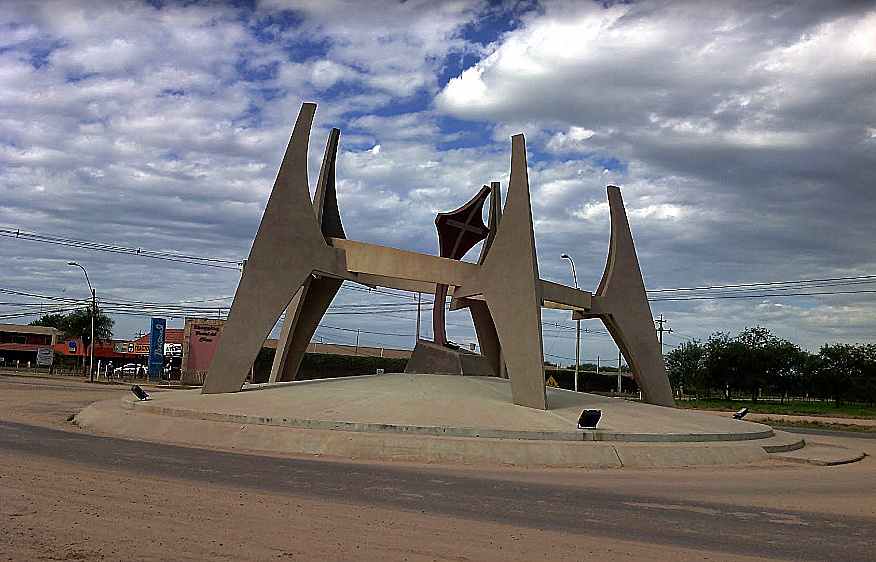
The capital of Boquerón and the largest of the Mennonite colonies.

The other major Mennonite colony, it's an industrial town.

The smallest Mennonite colony and a very charming town.

A military base town with an indigenous community that is home to one of the most beautiful indigenous celebrations in the country, the Areté Guazú held between February/March.
Articles and travel topics about Gran Chaco (Paraguay) and Paraguay.
 Nature & adventure
As of 2023 the UNESCO World Network of Biosphere Reserves is made up of 738 reserves in 134 countries of which 22 are transboundary.
Wikivoyage
 Itineraries
The Paraguay River (Río Paraguay in Spanish, Rio Paraguai in Portuguese) is a major river in south central South America, running through Brazil, Bolivia, Paraguay and Argentina.
Wikivoyage
 Nature & adventure
Paraguay has 15 national parks. The national parks of Paraguay protect and preserve the wildlife and national resources of the country.
Wikivoyage
 Travel tips
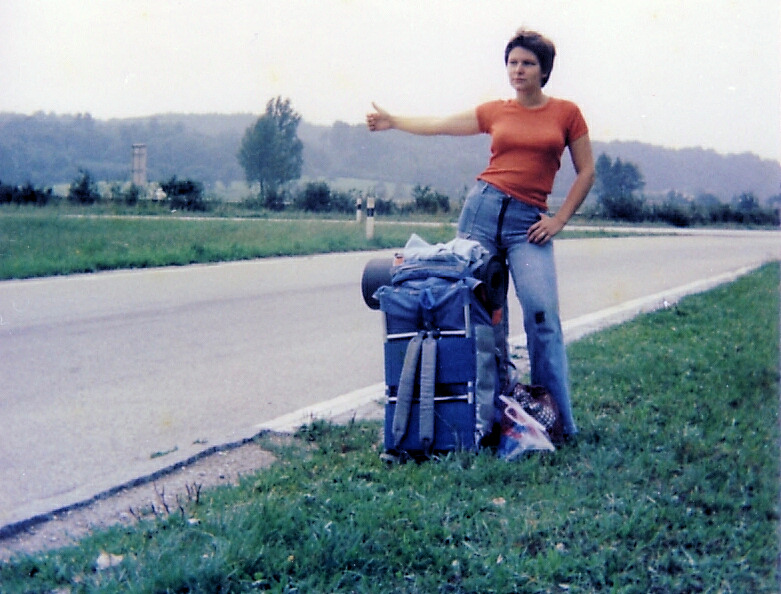
Hitchhiking is one of the cheapest ways of traveling. By tradition, hitchhiking is defined as soliciting a ride by standing at the edge of a road, facing traffic, with one's thumb extended/upwards.
Wikivoyage
Every section of the guide. Open one to read it in full.