//


Geographic region in Alberta, Canada
Photo: Wilson Hui from Calgary, Canada, CC BY 2.0 via Wikimedia Commons
The Central Corridor (also called the Calgary-Edmonton Corridor) is part of Central Alberta, located between the cities of Calgary and Edmonton. This is the most densely populated part of Alberta but is still wide-open by the standards of most places. The terrain is gently rolling in the west and quite flat everywhere else except for a few river valleys. The landscape is dominated by grain and cattle farming as well as the oil and gas industry. The main reason travellers find themselves here is because they are on the Queen Elizabeth II Highway (also known as Highway 2 or "the QE2") connecting Edmonton and Calgary, and are looking for something to do to break-up the drive. Red Deer is by far the largest place along the highway and is almost exactly halfway between the two major cities. The other towns are decidedly smaller and more out-of-the-way.
By train
Central Alberta is not served by passenger rail, with the nearest Via Rail station being in Edmonton.
By car
The spine of Central Alberta is Highway 2, which connects Calgary and Edmonton.
By bus
The following bus operators travel along the Central Corridor between Calgary and Edmonton, stopping along the way in Red Deer.:
Public transit is available within Red Deer and Blackfalds. 2A South Regional Transit offers some intercity service. Otherwise this is a region for driving.
Read in the guideChoose an airport to see hotels, stations, taxi ranks and car rental desks around it.
Edmonton · International · YEG
Loading places around the airport…

by far the largest city in Central Alberta with over 100,000 inhabitants

a college town with Norwegian heritage and about 18,000 people, making it the largest after Red Deer.

population of 4,900 and surrounded with lush green hills housing horse ranches and cowboy supply stores.

the closest town to rural attractions like a man-made lake, a police-dog training kennel, a restored historic creamery (which sells great ice cream), the Canadian home of Iceland's most famous poet, and Canada's National Danish Museum

13,000 people, a college, and a locally-famous craft brewery

a college town with a craft brewery attached to the school, with a population of about 9,000 this is the gateway to the Foothills further west.

famous for its annual rodeo, one of Alberta's largest. Population around 7,000

population of 6,000 and home to a restored tourist train.

a lakeside resort town with a provincial park, a marina, a boardwalk lined with shops, and around 15,000 inhabitants

with about 13,000 inhabitants is home to a major museum of transportation and industry, the Reynolds-Alberta Museum.
a village with a lake for recreation

a small town with a lake for recreation

the destination for the Alberta Prairie Railway Excursion from Stettler, it has a historic train station and roundhouse

rural area with the world's largest golf tee and a gopher hole museum; anchored by the town of Three Hills

the most popular recreational lake south of Edmonton
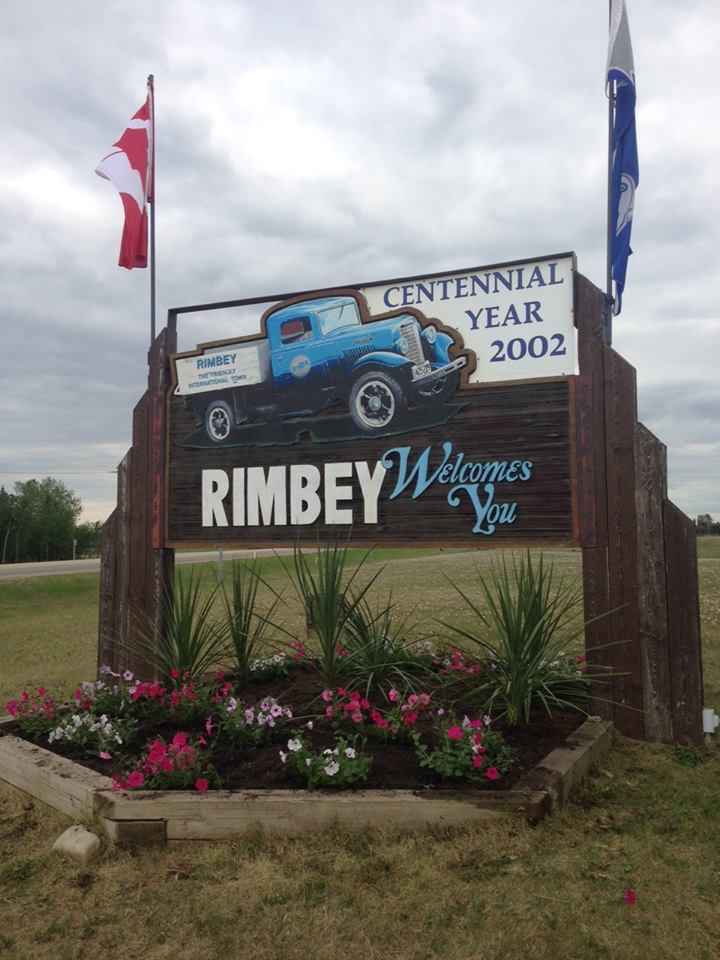
small town with a racetrack and truck museum.
Articles and travel topics about Central Corridor and Canada.
 Travel tips
Discover how to use AI to find cheap flights. Learn prompt strategies, smart fare engines, open-jaw routings, and error-fare booking techniques.
6 min read

 Culture & history
See Rail and bus travel in Sweden for intercity services. Stockholm County (Swedish: Stockholms län) has an extensive public transportation system.
Wikivoyage
 Nature & adventure
The National Parks of Canada, and some of the National Historic Sites of Canada, are managed by Parks Canada, an agency of the Government of Canada.
Wikivoyage
 Travel tips
Although trains are not nearly as ubiquitous and convenient a mode of travel in Canada as in Europe or East Asia, they remain popular with some travelers because of the spacious design of the cars, the scenic routes,…
Wikivoyage
Every section of the guide. Open one to read it in full.