//

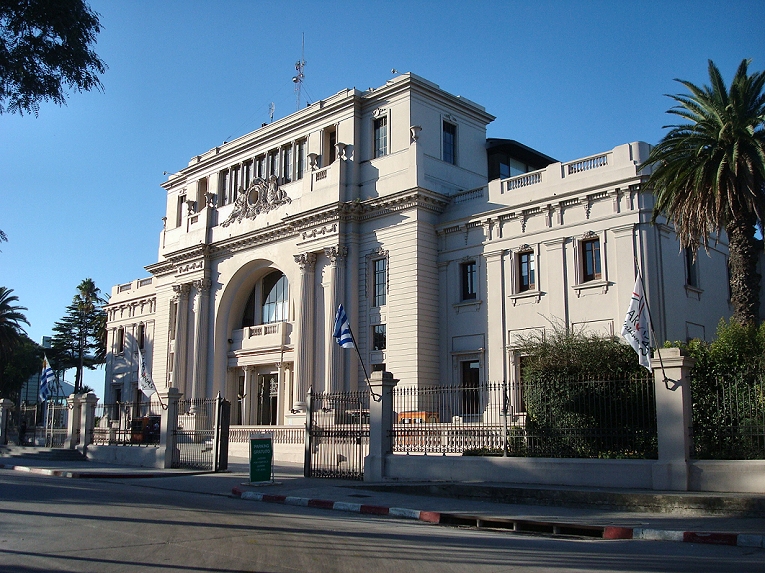
Photo: Hoverfish, CC BY-SA 3.0 via Wikimedia Commons
Accessible by car or taxi because surrounding neighborhoods are not the safest it is a great place to spend a weekend afternoon at the horse races. The building is absolutely gorgeous build in 1874 surrounded by a beautiful park a horse pool and the track. They have a restaurant and you can see the races and have drinks on the terrace. There is plenty to see for children and space for running around.
Hipódromo Nacional de Maroñas is a horse racing track located in Ituzaingó neighbourhood, in Montevideo, Uruguay. It has a 2,065-metre (6,775 ft) main dirt track and a dirt 2,000-metre (6,600 ft) training track. It has a seating capacity of 2,426 people and can accommodate approximately 5,500 standing attendees. It has a parking lot with room for approximately 697 cars.
© OpenStreetMap contributors
The Gran Parque Central is the stadium of Club Nacional de Fútbol, and it is the oldest football stadium in the Americas. It was also one of the venues of the 1930 FIFA World Cup. Uruguayan championship matches and international matches are played here. The price of tickets may vary depending on the type of match.
Museum of Uruguayan art from the 19th to early 20th centuries, named after one of the most famous Uruguayan painters, Juan Manuel Blanes. Also features a Japanese garden.
Neo-Gothic building from the 19th century that used to be the residence of a wealthy family.
Football museum
It's in the stadium where the first football world championships were held in 1930. You can see old photos, flags, jerseys, posters, trophies, flags and such. You will also get access to the stadium itself (unless there is a game going on).
Parque del Prado
The largest park in the city proper is a few kilometers north of Palacio Legislativo. It is bisected by a creek named Miguelete. The botanical garden of the city is here too, as is the Juan Blanes museum and several pretty residences from the turn of the century. A popular place to hang out for locals.
Obelisco a los Constituyentes de 1830
A 40-m-high obelisk that was built in 1930 to celebrate the 100th anniversary of the first Uruguayan constitution. The three statues next to the obelisk represent "law", "liberty" and "force".