Money and payments
Cards and cash
Credit/debit cards are not as widely accepted as in North America or Europe - smaller establishments often accept only cash (efectivo).
Tipping
Tipping is not mandatory.


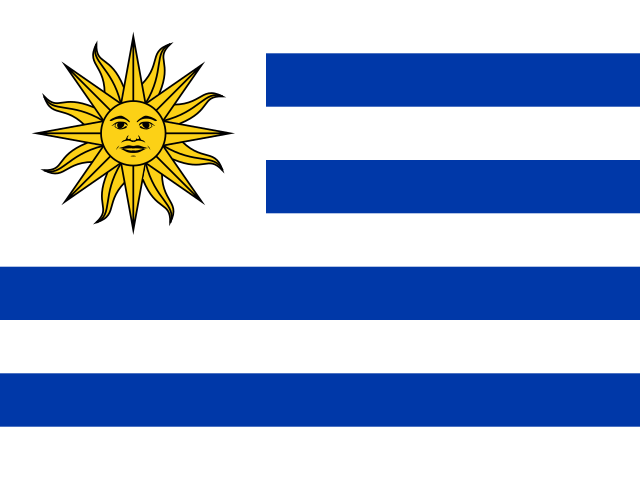 Americas · South AmericaUsable guide
Country in South America
Photo: User:(WT-shared) Burmesedays, Perry-Castañeda Library Map Collection Uruguay Maps, CC BY 3.0 via Wikimedia Commons
Uruguay is the second-smallest country in South America, wedged between two of the world's largest countries ― Argentina and Brazil.
Answers to what travellers most often look up about Uruguay.
Cards and cash
Credit/debit cards are not as widely accepted as in North America or Europe - smaller establishments often accept only cash (efectivo).
Tipping
Tipping is not mandatory.
Some hostels in tourist areas, such as Colonia or the Atlantic Coast during summer, offer free SIM cards, and the operators usually sponsor big events, in which free SIM cards might also be given out.
Tap water is safe to drink in all major cities, though most locals prefer to drink bottled water.
Uruguay has one of the best healthcare systems in South America; most medical facilities are comparable to US standards and the country has one of the highest life expectancies on the continent.
Uruguay is a socially progressive country. Women got the vote in Uruguay 12 years before France.
Covered in the guide
Attractions, food, stays and travel essentials, with ratings, reviews, opening hours and directions.

Uruguay's capital and largest city. A third of the country's population lives here and it is replete with stunning architecture, as well as beaches, museums, and festivals.

a super-popular beach resort town known as the "Monaco of the South".

a well preserved old colonial town and UNESCO World Heritage Site

a beach resort, a bit more laid back than Punta del Este

a hilly city in the north, right on the border with Brazil

another summer beach town

across the river from Argentina, with hot springs, riverside beaches, and more

located on the border with Argentina and known for its hot springs and historic buildings

Uruguay has 17 national parks including a number that are monuments or geological parks that are administered by the federal government but that aren't specifically called "national parks". Most of Uruguay's national parks are found along the Atlantic Coast.

in addition to the major beach towns mentioned above, there are some quieter spots worth a visit:

Barra de Valizas is on the Atlantic Coast of Uruguay. The town with its large beach is particularly popular with hippies and other alternative types.

Cabo Polonio is an off-grid beach village in the Atlantic Coast region of Uruguay.

Punta del Diablo is a small seaside village in the Department of Rocha on the Atlantic Coast of Uruguay. Amid the notable development which houses summer crowds, the town maintains its rustic charm, with only a handful of colorful shops, a seasonal outcropping of bohemian cafes, a school and a beach full of fishing boats.

Santa Teresa National Park is a protected natural coastal area and national monument in the Rocha Department along the Atlantic Coast of Uruguay. The park features an historic 18th century fortress as well as beaches, forests and natural attractions.

"Ravens' Gorge", a protected landscape of rolling hills and a deep gorge

The central interior of Uruguay includes the departments of Cerro Largo, Durazno, Flores, Florida, Lavalleja and Treinta y Tres. The Central Interior has rolling hills, cow country, lakes, history, a border with Brazil, and more—including lovely, quiet spots for a visit.
Places in Uruguay on the World Heritage List.

Church of Cristo Obrero y Nuestra Señora de Lourdes
Listed 2021

Historic Quarter of the City of Colonia del Sacramento
Listed 1995
Fray Bentos Industrial Landscape
Listed 2015
List from Wikidata (CC0). Photos from Wikimedia Commons.
Popular and varied beach resorts on the Atlantic Ocean
Riverside beaches and historic colonial architecture sandwiched between the center of Uruguayan life in Montevideo and the metropolis of Buenos Aires, Argentina
Citrus production, strong presence of gauchos (South American cowboys) and important border towns next to Argentina and Brazil
Rolling hills, agriculture, and idyllic countryside resorts
Public transport and paid services in Uruguay.
By bus
Uruguay has an extensive internal bus system, in practice the only way of getting around between cities if you aren't driving.
By taxi
Taxis in Uruguay are safe and fairly affordable, costing about US$2 per km. All taxis in Montevideo use meters and have fixed costs.
By car
The main highway is the one that goes from Montevideo to Punta Del Este (main tourist city of Uruguay), it is double lane from both sides.
By motorbike
Many Uruguayans use motorbikes as their preferred mode of transport. These are also available for rent to tourists in many larger cities. For motorbikes there is no road toll.
Apps for booking a taxi or a ride in Uruguay.
Finding apps for Uruguay…
Other ways to travel:By thumb
Operators checked against their official websites in October 2026; services that have stopped running are not listed. Logos and Wikipedia links: Wikidata (CC0)
Choose an airport to see hotels, stations, taxi ranks and car rental desks around it.
Ciudad de la Costa · International · MVD
Loading places around the airport…
Calculated from climate averages: mild daytime highs and lower rainfall. It does not account for festivals, crowds or prices.
Average conditions in Montevideo
| Jan | Feb | Mar | Apr | May | Jun | Jul | Aug | Sep | Oct | Nov | Dec | |
|---|---|---|---|---|---|---|---|---|---|---|---|---|
| Avg. high | 26° | 26° | 24° | 20° | 17° | 14° | 12° | 14° | 16° | 19° | 22° | 25° |
| Avg. low | 20° | 20° | 19° | 16° | 13° | 10° | 8° | 9° | 11° | 13° | 16° | 18° |
| Rainfall (mm) | 102 | 106 | 118 | 114 | 84 | 98 | 92 | 89 | 96 | 103 | 96 | 86 |
| Humidity | 72% | 75% | 77% | 78% | 82% | 84% | 85% | 84% | 82% | 80% | 75% | 72% |
Choose your passport and destination to see whether you need a visa.
Budget
$75
Per person, per day
Mid-range
$200
Per person, per day
Luxury
$505
Per person, per day
| Budget | Mid-range | Luxury | |
|---|---|---|---|
| Accommodation | $35 | $110 | $295 |
| Food and drink | $20 | $45 | $100 |
| Local transport | $10 | $20 | $45 |
| Activities | $10 | $25 | $65 |
Estimate from World Bank price levels (2025). Actual costs vary by city and season. World Bank
—
We do not label countries as safe or unsafe. Below is the official advice from two governments, with the date it was last updated. Always read the full advice before you travel.
US Department of State
Level 2 of 4Exercise increased caution
Exercise increased cautionin Uruguay due to crime. Exercise increased caution in Uruguay due to crime. Crime is most common in these departments: Montevideo Canelones Maldonado Rivera Violent crime occurs across the country. Crimes include homicide, armed robbery, carjacking and theft. These crimes can happen at any time and have affected U.S. citizens. Criminals often travel in pairs on motorcycles. They may approach victims with a weapon and demand personal belongings. Armed criminals also target grocery stores, restaurants, financial centers, and small businesses. Sometimes innocent bystanders become victims. Review our Travel Guidance for Uruguay to learn how to prepare for a safe trip.
UK Foreign, Commonwealth & Development Office
No advice against travel. Read the full advice before you go.
Before you travel No travel can be guaranteed safe. Read all the advice in this guide. You may also find it helpful to: see general advice for women travellers read our guide on disability and travel abroad see general advice for LGBT+ travellers read about safety for solo and independent travel see advice on volunteering and adventure travel abroad Travel insurance If you choose to travel, research your destinations and get appropriate travel insurance. Insurance should cover your itinerary, planned activities and expenses in an emergency. About FCDO travel advice The Foreign, Commonwealth & Development Office (FCDO) provides advice about risks of travel to help you make informed decisions. Find out more about FCDO travel advice. Get travel advice updates Sign up to get email notifications when this travel advice is updated. Follow FCDO: travel advice on X travel advice on Facebook Travel Aware on Instagram
Stories, itineraries and practical advice for travelling in Uruguay.
 Itineraries
Explore our Punta del Este travel guide. Discover Playa Brava, Casapueblo sunset ceremonies, beach clubs, seafood dining, and Jose Ignacio day trips.
8 min read
 Inspiration
Discover 10 rewarding emerging travel destinations for 2027. Escape crowded tourist hubs and explore quiet spots with rich culture and great food.
8 min read


 Itineraries
The coast of Uruguay is where both the country's population and its tourist destinations tend to be concentrated—not to mention its many beaches.
Wikivoyage
Nature & adventureUruguay has 17 national parks including a number that are monuments or geological parks that are administered by the federal government but that aren't specifically called "national parks".
Wikivoyage
 Itineraries
The Éxodo Oriental (Eastern exodus) journey travels the route done by the people of the Banda Oriental led by Jose Artigas in the 19th century and reenacted in the year 2011 on its bicentennial.
Wikivoyage
 Travel tips
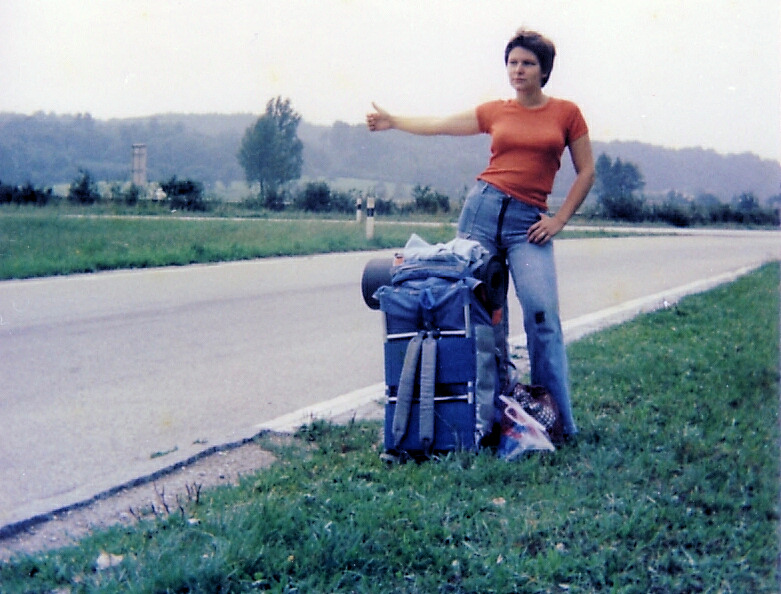
Hitchhiking is one of the cheapest ways of traveling. By tradition, hitchhiking is defined as soliciting a ride by standing at the edge of a road, facing traffic, with one's thumb extended/upwards.
Wikivoyage
Every section of the guide. Open one to read it in full.
