//


Region of China
Photo: User:(WT-shared) ClausHansen, (WT-shared) Cacahuate, PhiLiP (svg base), CC BY-SA 2.0 via Wikimedia Commons
The North China region comprises two adjacent areas of China. One is the historical heartland of the country, along the Yellow River where the Chinese civilization first developed; the other is the more wild and arid territory of Inner Mongolia to the North and West. The two are not as distinct as that makes them sound, though; Inner Mongolia now has substantial cities, and several of the other provinces have desert areas.
Birthplace of the nation and ancient home to more than 200 emperors from more than 20 dynasties
Yellow River, mountains, ancient cities and tourist areas
Shandong (山东 Shāndōng) is a province in China, historically known as Qilu (齐鲁 Qílǔ) and associated with the philosopher Confucius. The name means "east of the mountains." Shandong is a coastal province bordered by the Bohai Sea to the north and the Yellow Sea to the east and south.
Hebei (河北; Héběi) is a province of about 75 million people that surrounds Beijing and Tianjin. Much of it lies on the flat North China Plain and is heavily industrial, so few international tourists visit.
Inner Mongolia (Mandarin: 内蒙古, Nèi Měnggǔ; Mongolian: , Övör Mongol), officially known as Inner Mongolia Autonomous Region, is an autonomous region in northern China and is the main home of China's ethnic Mongol population. The region surrounds much of Mongolia to the south and a small portion of the region borders Russia to the north.
Tianjin (天津 Tiānjīn) is one of the largest cities in China, boasting a population of 14.5 million (2024). It neighbors Beijing, with the province of Hebei in between.
Capital of China.
Planes and High Speed Rail are forms of transport most commonly used by Chinese and foreigners alike to access Northern China.
Read in the guideAs elsewhere in China, there is an extensive rail network. Rail is the main means of inter-city travel for the Chinese themselves, and many visitors travel that way as well.
Read in the guideChoose an airport to see hotels, stations, taxi ranks and car rental desks around it.
Bayannur · Regional · RLK
Loading places around the airport…

Beijing (北京 Běijīng) is China's capital and its second-largest city after Shanghai, with a population of around 22 million. With a rich history as the capital of Imperial China for much of its past, Beijing became the political and cultural heart of the People's Republic of China following the Chinese revolutions.

Hohhot (Chinese: 呼和浩特 Hūhéhàotè; Mongolian: ᠬᠥᠬᠡᠬᠣᠲᠠ Höh hot) is the capital of Inner Mongolia and serves as the region's administrative, economic, and cultural capital.

Jinan (济南 Jǐnán) is the provincial capital of Shandong in North China. Jinan's nicknames include Quancheng, Qizhou, and Luoyi.

Qingdao (青岛; Qīngdǎo; also known as Tsingtao), is regarded by some Chinese as one of the most beautiful and cleanest cities in China. With a population of around 7.2 million, it is one of the largest cities in Shandong Province.

Shijiazhuang (石家庄; Shíjiāzhuāng) is the capital of Hebei Province. It is also the main economic centre of Hebei and a relatively important city in China.

Taiyuan (太原 Tàiyuán) is the capital of Shanxi Province It is an important central city in the central region of the province and a common stopover between Wu Tai Shan and Pingyao.

Tianjin (天津 Tiānjīn) is one of the largest cities in China, boasting a population of 14.5 million (2024). It neighbors Beijing, with the province of Hebei in between.
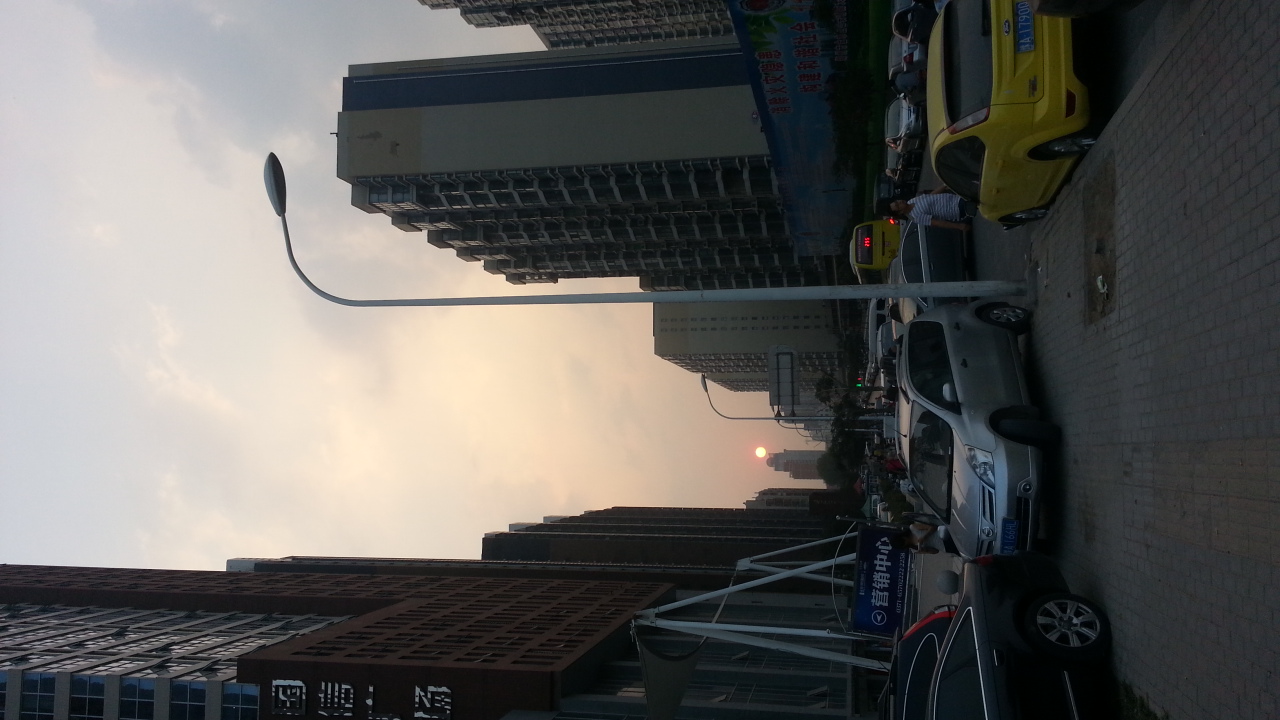
Zhengzhou (郑州 Zhèngzhōu) is a city on the south bank of Yellow River (Huang He) in China. It is the capital of Henan Province.

The ancient city of Kaifeng (开封; Kāifēng) is on the southern bank of the Yellow River in eastern Henan Province. The capital of several dynasties, with a history of over 4,100 years, it is a vibrant city today.

Longmen National Park is in Henan Province of China. It's inscribed on the UNESCO World Heritage List.
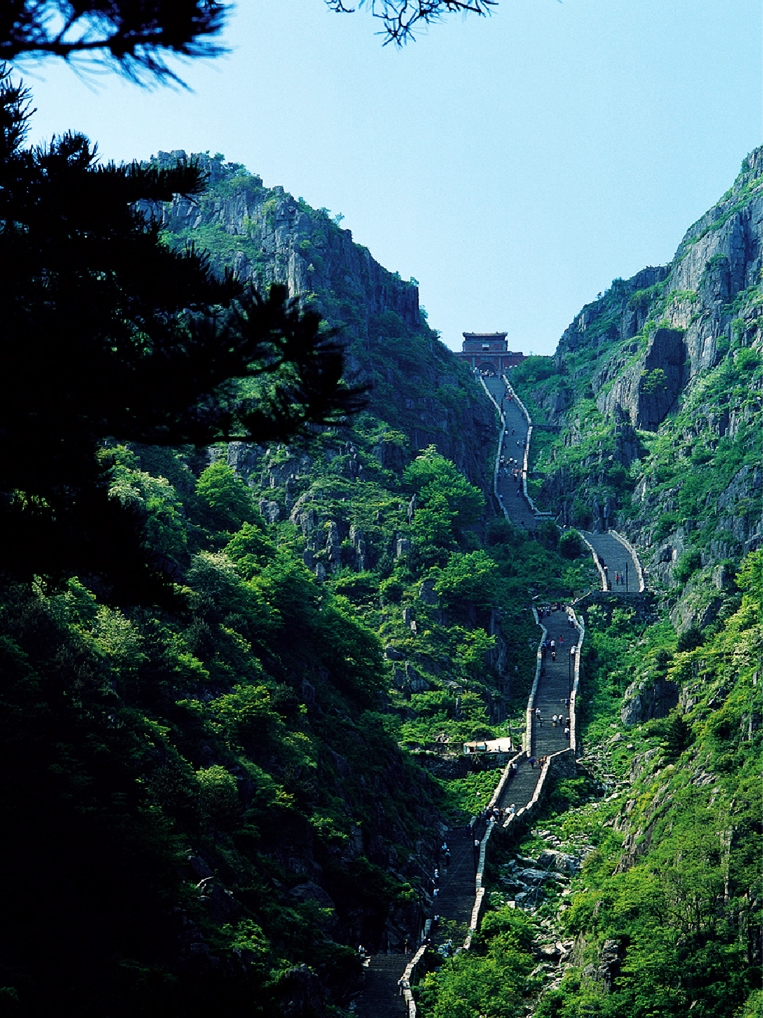
Mount Tai (泰山 Tài Shān) is a sacred mountain in Shandong, China, and a UNESCO World Heritage Site.

Pingyao (平遥; Píngyáo) is a small city whose old town is on the UNESCO World Heritage List. Pingyao's old town is typically considered the best ancient walled city in China, and is on many lists of the best walled cities in the world.
Articles and travel topics about North China and China.
 Travel tips
How to qualify for China's 144-hour visa-free transit, set up Alipay and WeChat Pay with foreign cards and navigate train travel as a foreigner.
6 min read
 Itineraries
How to link Beijing, Xi'an and Shanghai by high-speed bullet train, booking Great Wall hikes, Terracotta Warriors and modern urban towers.
6 min read
 Nature & adventure
How to explore Zhangjiajie's sandstone pillars, ride the Bailong Elevator and drift down the Li River through Guilin and Yangshuo karst peaks.
6 min read
 Itineraries
The Yellow River (Chinese: 黄河 Huáng Hé) is one of China's great rivers, the cradle of Chinese civilization and a historic transport route.
Wikivoyage
Every section of the guide. Open one to read it in full.