//

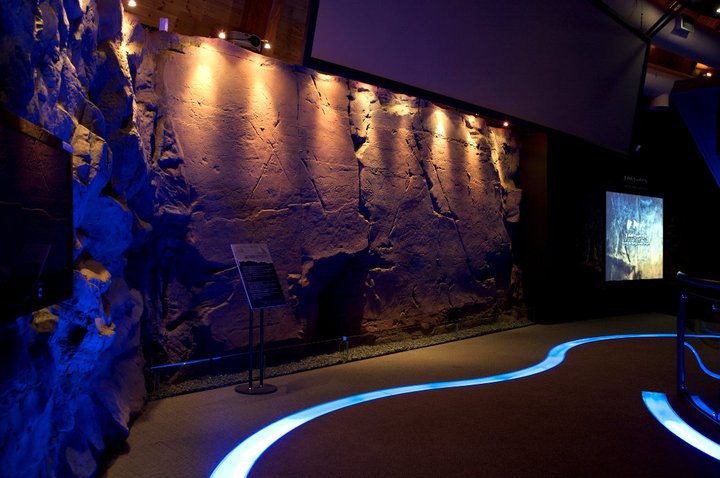
Photo: Rockcare, CC BY-SA 3.0 via Wikimedia Commons
Petroglyphs of Bangudae Terrace in Daegok-ri, Ulju-gun are estimated to have been drawn over several periods since the New Stone Age so you can discover the differences in styles among various ages. Primary objects that were popularly carved include sea animals, land animals, humans and tools and, as our prehistoric ancestors actively engaged in hunting, the hope of abundance in game is believed to be the reason why these objects were frequently carved on rocks. Vividly expressing animals and hunting scenes and colorfully depicting outstanding traits of objects, these petroglyphs are a form of both hunting art and religious art, and they are considered as the greatest masterpieces from which we can take a peek at the life and customs of the prehistoric ages. In 2025, the petroglyphs in the river valleys here were listed as a .
The Bangudae (Daegok-ri) Petroglyphs are pre-historic engravings on flat vertical rock faces on the riverside of the Daegokcheon (Bangucheon) stream, a branch of the Taehwa River, which runs eastward and joins the East Sea at Ulsan. They are the National Treasure of South Korea No. 285 and were registered on the UNESCO World Heritage List in 2025.
© OpenStreetMap contributors
울산암각화박물관
Ulsan Petroglyph Museum was established on May 30, 2008 at the entrance to Petroglyphs of Bangudae Terrace (National Treasure No. 285) in Ulju-gun. The museum displays 311 exhibit materials and has an exhibition hall, a storage room, a research lab, and an audiovisual room. The exhibition hall presents models of petroglyphs of Bangudae and petroglyphs of Cheonjeon-ri (National Treasure No. 147), an educational video introducing the petroglyphs, a children’s hall, and family activity facilities. Visitors can observe reproductions of famous petroglyphs at the outdoor exhibit.
선바위
The combination of rocks, river and the bamboo forest create a breathing space in a highly industrial city. It is linked to the Taehwagang River Grand-Park.
작천천계곡
Formed by many years of water erosion, the river runs straight past a temple. The rocks are engraved with Korean characters and is an excellent place for photography.
문수월드컵 경기장
If you enjoy visiting random stadiums, then by all means, go to the Ulsan Sports Complex, although it seems like it only made the list because Koreans love soccer. Home to one of South Korea's many soccer teams.
Ulsan Munsu Football Stadium’s exterior design looks like a crane, which represents the bird of Ulsan. The design of the roof and the pillars represents the youth and dynamics of the city. Other representative symbols include a whale and big crown of the Silla dynasty.
Ulsan's professional football club, competing in K League 1, South Korea's top football division. The team plays its home matches at Ulsan Munsu Football Stadium, one of the venues used during the 2002 FIFA World Cup. Visitors can experience Korean football culture and local supporters' chants during home matches. Check the club's official website for fixtures and ticket information.
Ulsan's professional baseball team, which began competing in the KBO Futures League, South Korea's professional baseball development league, in 2026. The team plays its home games at Ulsan Munsu Baseball Stadium. Visitors can watch baseball games in a stadium that also features outdoor seating areas and spectator facilities. Check the KBO website for match schedules and ticket information.