//

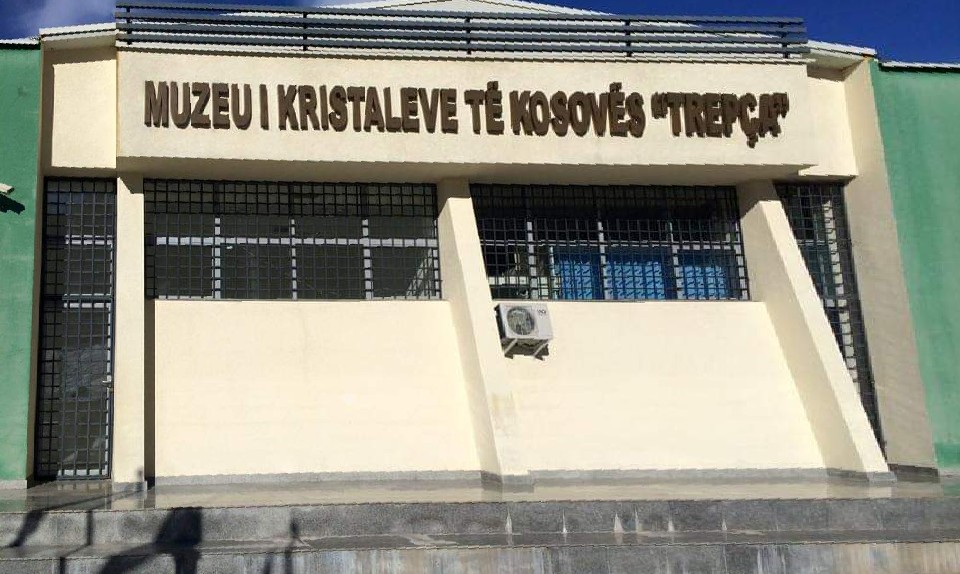
Photo: Drenisa, CC BY-SA 4.0 via Wikimedia Commons
this museum is a treasure trove of crystals and minerals extracted from the depths of Kosovo. Its history dates back to 1964, when it was established with over 1,300 exhibits of various types of crystals, transforming the museum into an important national institution for Kosovo, both in terms of its value and its tourism appeal.
The Trepça Crystal Museum is located in the town of Stantërg, near the Trepça Mines in Mitrovica, Kosovo. This museum is a treasure trove of crystals and minerals extracted from the depths of Kosovo. Its history dates back to 1964, when it was established with over 1,300 exhibits of various types of crystals, transforming the museum into an important national institution for Kosovo, both in terms of its value and its tourism appeal.
© OpenStreetMap contributors
Xhamia e Mazhiqit
Mazhiq (Mazhqit) Mosque is a historic mosque near Mazhiq village, in the Mitrovica region. It is one of the significant Islamic heritage sites in the area, reflecting Ottoman-era religious architecture.
Kisha Katolike
Kisha Ortodokse
Monument to Fallen Miners
the Monument to the Serbian and Albanian Partisans (also known as the Monument to the Partisans and Miners and the Monument to the Heroes of the National Liberation War) honors the Albanian and Serbian partisans from the Republic of Kosovo who died in World War II in Yugoslavia from 1941–1945. The monument is on a promontory named Miner’s Hill, where its located above Mitrovica.
Ura e Ibrit
Iber (Ibar) Bridge spans the Iber River. It is one of the most significant and symbolic locations in Kosovo due to its role in the ethnic and political divisions between the Albanian-majority south and Serb-majority north of the city.
An interesting symbol of the division of the population in Kosovo. This bridge was a dividing line between Serbs and Albanians in Mitrovica.