
Visa
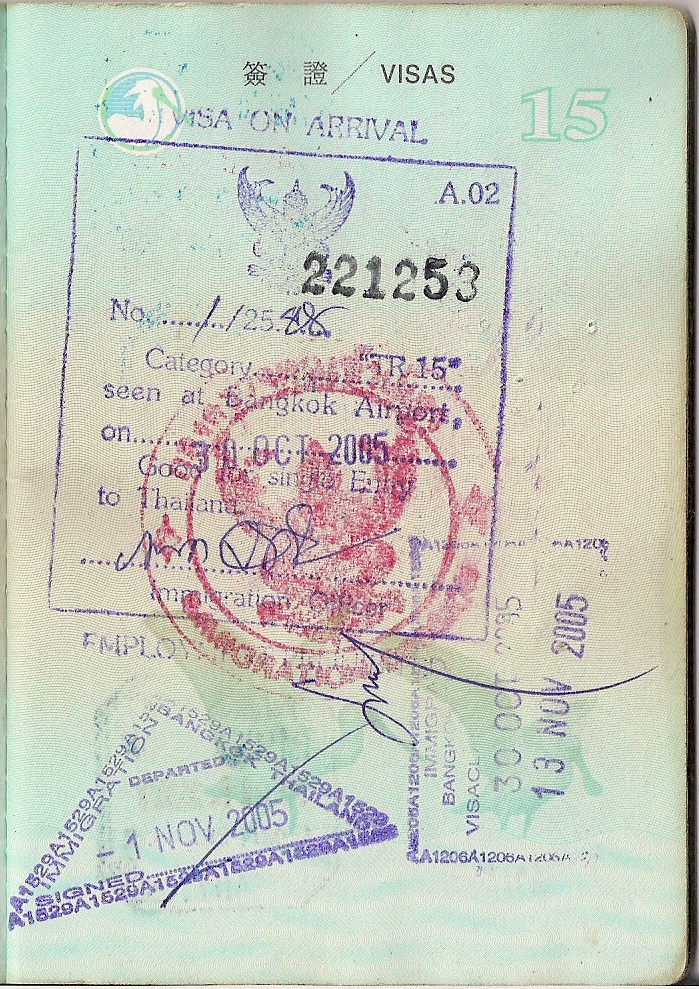
Photo: Gorden Cheng, Public domain via Wikimedia Commons
A visa is a document issued by some countries to visitors from other countries to facilitate – but not guarantee – admission at the border. It can be a stamp or sticker in your passport, or can simply be an electronic record. It's important that you check whether you need a visa for each country you visit or transit, for the kind of visit you are intending. Not having the correct visa may see you denied boarding to transportation or denied admission at the border. Many popular travel destinations provide visitors (from most countries) with a short-term tourist visa on arrival, but many countries may require you to apply in advance. The conditions and requirements depend on your nationality.
A few countries require exit visas separate from entry visas.
Some countries routinely deny entry to holders of passports that show evidence of travel to a disputed area or a hostile country (e.g. Israel). See Visa trouble.
Do you need a visa?Countries require visas from visitors for regulatory, security and economic reasons.
In advance or at point of entry?Many popular travel destinations provide visitors for tourism with a free short-term visa on arrival stamped into their passport. Others will accept payment and issue a visa on arrival for a fee.
Visa feesWhen visa fees are charged they can vary according to your nationality, the number of times you will enter, the length of stay or validity, the purpose of travel and sometimes how and where you apply.
Classes of visasVisas come in many forms, so it is very important to obtain the appropriate visa for what you intend to do.
Conditions to get a visaMost countries require that you must have at least 6 months of validity remaining on your passport. In some cases, the requirement is six months from your date of entry, rather than the visa application date.
Entry without a visaSome countries permit certain nationalities to enter without a visa, but other conditions may apply for a longer stay, or stays for reasons other than tourism (also visits to friends and family usually count as tourism).
Obtaining the visa in advanceg. for Finland, tourist visas take two weeks in simple cases, up to seven weeks if further checks are needed). Some countries may have priority processing available, to an additional cost.
TransitA transit is when you enter a country for a short period for the purposes of transferring to an onward transport leaving the country again.
After obtaining your visaFirst, check to see if all the information printed on the visa sticker is correct (from your name to the type of visa). The usual information printed on the visa is as follows:
OverstayingIf your visa (or entry permission) expires before you leave the country, you have overstayed and could be punished. The best advice is not to do this.
Exit visasRussia, Saudi Arabia and some other countries have an exit visa requirement.
Foreigner registrationIn some countries, you must register your presence and address where you are staying with the local authorities. This might require filling out a form with the local police or a visit to the immigration offices.
See also
Sources and licences
- Guide text adapted from the Wikivoyage article "Visa" by its contributors, available under CC BY-SA 4.0. Read on Wikivoyage · Contributors · CC BY-SA 4.0
- Photo: Gorden Cheng, Public domain via Wikimedia Commons