
Water safety
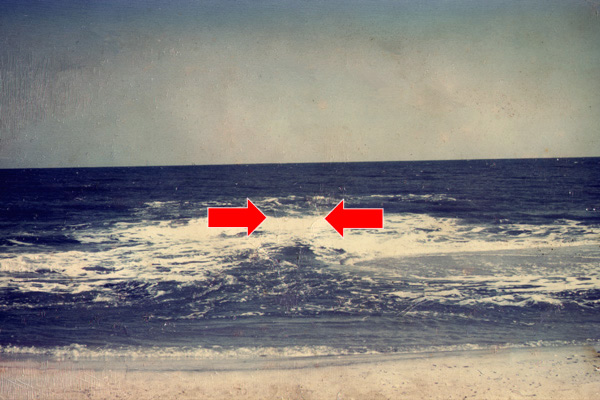
Photo: U.S. Army Corps of Engineers Field Research Facility at Duck, NC., Public domain via Wikimedia Commons
Being by water is something that can't be taken lightly, especially if there are young kids. Depending on the area, there may be several dangers involved in swimming and other activities by the beach, such as tides and currents, wildlife and seabed features, some not obvious. You need to keep eyes on young kids at all times. Unless at an organized beach, you should seek local advice.
Potential dangers
Watching your partyRemember that if somebody is going to drown because of fatigue, inhaled water or a heart attack, they will not have any opportunity to scream, but will just disappear – contrary to what you see on TV.
Floating devicesg. swim tubes can turn upside down, creating a very dangerous situation, or they can take a child to deep water where the child may slip out of it. Proper life vests and lifebuoys are differently constructed.
Rip currentsRip currents are the returning flow from waves breaking off the beach, often at a reef or similar.
RescuingProtect yourself first. Never get into the water unless you are very confident in your rescuing skills and the water. Getting into the water without skills will only make you another victim without rescuing anyone.
See also
Sources and licences
- Guide text adapted from the Wikivoyage article "Water safety" by its contributors, available under CC BY-SA 4.0. Read on Wikivoyage · Contributors · CC BY-SA 4.0
- Photo: U.S. Army Corps of Engineers Field Research Facility at Duck, NC., Public domain via Wikimedia Commons