//

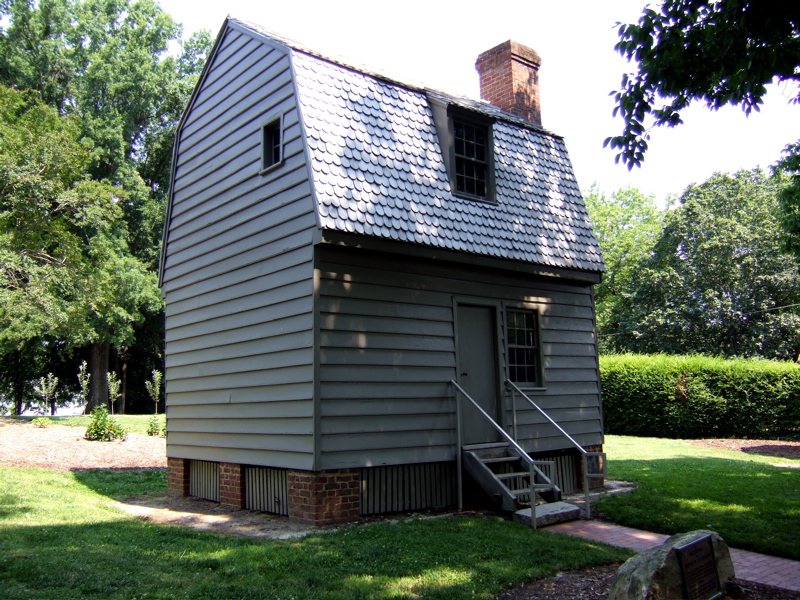
Photo: The original uploader was Mikehelms at English Wikipedia., CC BY 2.5 via Wikimedia Commons
An important historic neighborhood with interesting old houses.
Mordecai Place Historic District is a historic neighborhood and national historic district located at Raleigh, North Carolina. The district encompasses 182 contributing buildings and 1 contributing object in the most architecturally varied of Raleigh's early-20th century suburbs for the white middle-class. Mordecai Place was listed on the National Register of Historic Places in February 1998, with a boundary increase in 2000.
© OpenStreetMap contributors
Mordecai House
Built in 1785, this is the oldest house in Raleigh at its original location. The grounds include the birthplace of President Andrew Johnson.
North Carolina Executive Mansion
Official residence of the North Carolina governor and family, built in the late 1800s. Group tours are available mid-March to mid-June, but must be booked at least two weeks in advance.
Contains a huge wing full of interactive exhibits, the Nature Research Center, with 3-story multimedia globe structure and exhibits such as a 10,000 gallon (40,000 liter) aquarium.
Extensive museum of North Carolina history, from ancient Native American cultures through colonization and independence up to the World Wars and the Civil Rights Movement. Everything is labeled with thorough and interesting interpretive signs, and some sections have little theater rooms showing videos with more details. Includes a genuine slave cabin rebuilt in the museum, a recreated 1920s drugstore, galleries of North Carolina military history, a children's discovery gallery, and the North Carolina Sports Hall of Fame, which exhibits personal items donated by approximately 360 inductees. Also has a gift shop. Closed for renovation through fall 2028.
Built between 1833 and 1840 and to house the governor's office and cabinet offices. It's now a working capitol and a museum of North Carolina history, especially the period between the building's construction and the Civil War. Several rooms are restored with furniture and items from the era so you can see how they might have looked, including original legislative rooms, a collection of geological specimens, and a library. Full of plaques and informational signs. Gems include spittoons (for tobacco) in the legislative rooms, and a big statue of George Washington in the style of a Roman soldier. Guided tours are available Saturdays at 11AM and 2PM or by appointment for large groups, or take a self-guided tour whenever the building is open.