//

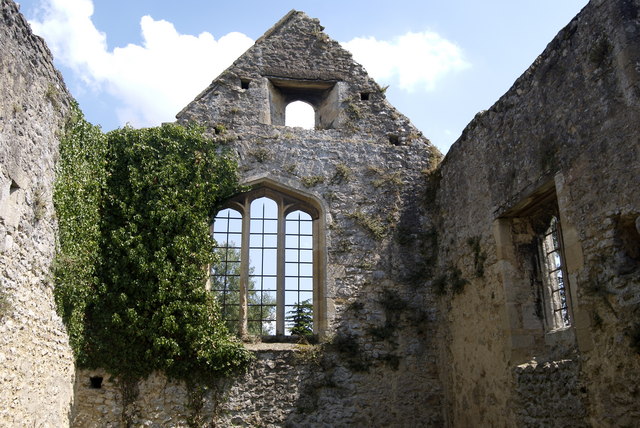
Photo: Adrian Miller, CC BY-SA 2.0 via Wikimedia Commons
A nunnery dissolved during the Dissolution of the Monasteries and eventually abandoned during the English Civil War. A beautiful place to explore, as it is completely open and able to be wandered through. It was the final resting place of a mistress of Henry II.
Godstow is a hamlet about 2.5 miles (4 km) northwest of the centre of Oxford. It lies on the banks of the River Thames between the villages of Wolvercote to the east and Wytham to the west. The ruins of Godstow Abbey, also known as Godstow Nunnery, are here. A bridge spans the Thames and The Trout Inn is at the foot of the bridge across the river from the abbey ruins. There is also a weir and Godstow lock.
© OpenStreetMap contributors
Fantasy author J. R. R. Tolkien lived in this mansion from 1930 to 1947, and wrote The Hobbit here. For the uninitiated little more than an average house in a residential street, but a must see for Lord of the Rings fans.
Vibrant independent cinema with an assortment of viewings available.
This small museum explains the history of the University of Oxford's involvement in printing and publishing from the 15th century to the present day. Among other things, the exhibitions show the OUP's buildings, printing equipment, the first publication of Alice's Adventures in Wonderland and how the Oxford English Dictionary came to exist.
also known as the Taylor Institution
The university's centre for the study of modern European languages and literature, established in 1845. Its library contains the largest specialist collection in its field in Britain. It is in a neo-classical building designed by Charles R. Cockerell and erected between 1841 and 1844 by the university to house the institution and the Randolph Galleries (now the Ashmolean Museum).
Large expanse of park along the Cherwell River with paths running from Marston to the City Centre.