//

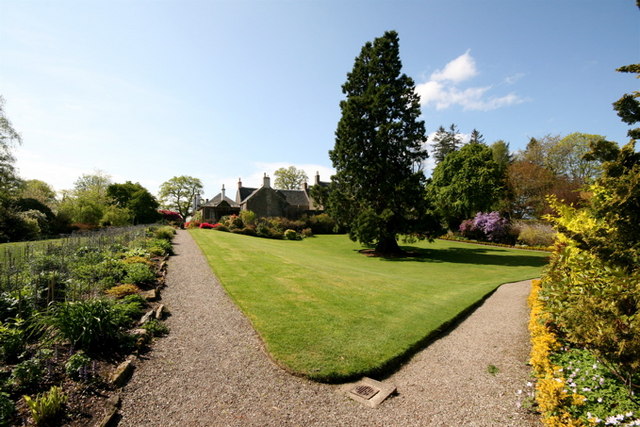
Photo: Eddie Mackinnon, CC BY-SA 2.0 via Wikimedia Commons
National Trust for Scotland Garden, which dates from 1797, but the current layout is Edwardian. Geilston House is not open, but there's a fine walled garden, a riverside area along Geilston Burn and a fruit and vegetable garden. Seasonal fruit & veg are for sale. Dogs are allowed in part of the garden, except on Tuesdays.
Geilston Garden is a property of the National Trust for Scotland, north-west of Cardross, Argyll and Bute.
© OpenStreetMap contributors
Large park on the headland where the River Leven flows into the Clyde, donated to the town by the Denny shipbuilding family. It has many play areas for children, mature trees and flower beds. There are remains of an old parish church, a cafe, and grand views of the castle from the tip of the park.
Come you back to Mandalay, wrote Rudyard Kipling, Where the old Flotilla lay; Can't you 'ear their paddles chunkin' from Rangoon to Mandalay? Those were the Irrawaddy Flotilla paddle steamers, built in Dumbarton by Denny shipbuilders, then sent out in portions to be reassembled in Burma. Dennys were in business from 1840 to 1963 and were great innovators, experimenting with hovercraft and helicopters, and one of their most enduring innovations was this 100-m ship model testing tank, built 1882. Propulsion, steerage, hull designs and so on could all be tested on models before committing to a prototype build. After Denny closed it was taken over by Vickers to test submarine designs, then became part of Scottish Maritime Museum in 1982. The towing gear is still run for demonstrations, but the instrumentation is gone so it can't be used for real tests.
This 240-ft (73-m) basalt crag, the old plug of a volcano, has been a redoubt at least since the Iron Age, and the castle remained garrisoned until after World War II. Nothing of the ancient Alt-Clut and little of the medieval fortress survive, it's mostly 18th century, including the fine Governor's residence. You need to clamber up 557 steps to reach the White Tower Crag. Dorothy and William Wordsworth visited here in 1803 with Coleridge: the soldiers were particularly keen for them to see the trout in the well by the guardroom, where they said it had dwelt for over 30 years, a sad metaphor of garrison life.
The house, a 19th-century baronial mansion, is run as a religious centre and can't be toured. You come for the woodland walks in the extensive grounds - the Forestry Commission suggest a couple of trails. The fine bridge spanning the glen to the house has since 2005 been the subject of an internet meme, whereby passing dogs are supposedly lured to their death over the parapet by irresistible animal scents, canine suicide-wish or paranormal influences, not necessarily in that order. That meme is recycled here to keep the tradition going: your dog's not at risk unless it believes all the trash it reads on the internet.