//


Place in KwaZulu-Natal, South Africa
Photo: The original uploader was Morne at Afrikaans Wikipedia., Attribution via Wikimedia Commons
Dundee is a coal-mining town of 35,000 people (2011) in KwaZulu-Natal, South Africa. It was the site of the Battle of Blood River in 1838 between 464 Voortrekkers ("Pioneers"), and an estimated 10,000 to 15,000 Zulu.
From the travel guide. Select a place for details, a map and what is nearby.
A museum set in a park that exhibits local history, industry and crafts. The museum also has a reconstruction of a local Zulu kraal.
Site of a major conflict on 16 December 1838 between the Zulu impi army under King Dingane and the Voortrekker forces under Andries Pretorius. On the western side of the Bloodriver is the Blood River monument and museum, commemorating the battle from an Afrikaner point of view. The monument consists of 64 full scale bronze replica oxwagons set up in a defensive circle. On the eastern side of the Bloodriver is the Ncome monument and museum, commemorating the same event from a Zulu perspective. The monument consists of a Zulu war horn formation display. 16 December is now a public holiday in South Africa, celebrated as Day of Reconciliation.
On 22 January 1879 the British Camp at Isandlwana was overrun by 20,000 Zulu leaving 1357 British Soldiers and colonial auxiliaries dead. Two survivors managed to escape and warn the British Force at Rorke's Drift of an impending attack. Today the battlefield has memorials to those killed. A visitor centre and museum (where the entrance fee is paid) is about 1.5 km due north of the main battlefield. It is advised that the services of a guide be sought at the museum.
During the Battle of Rorke's Drift, about 150 British soldiers repelled repeated attacks by 4000 Zulu warriors for a period of 12 hours. Eleven Victoria Crosses were awarded, the most in any one day in British history. The museum is housed in what was Jim Rorke's trading post which was built in 1847. The film Zulu is about this battle and has a young Michael Caine in his first major role.
In 1871 the second French Empire collapsed and Napoleon III, nephew of Napoleon Bonaparte fled to Britain. He died in 1873 and his son, Prince Louis Napoleon (the Prince Imperial) became the heir to the Bonapartist tradition. The Prince Imperial trained at Sandhurst and as the Zulu War was drawing to a close travelled to South Africa to see some action. Although there were strict instructions that he was to be kept out of danger, a reconnaissance party of which he was a member was ambushed and he was killed. A monument, paid for by Queen Victoria, now marks the spot where he died.
Serves refreshments and light meals. Breakfast and evening meals can be booked. Group bookings, e.g. for Sunday meals, may also be made. Traditional 'Boere' dishes can be made by arrangements.'Vetkoek and mince' with traditional ginger beer are specialties.
The Smouswa gift and curio shop
A shop where you can purchase commemorative items, books, post cards and other memorabilia.
It is said that Blood River was so-named when its waters ran red with the blood of the slain warriors on its shores.
Read in the guideR33 between Dundee and Vryheid follow the road for 24 km turnoff at the signpost Ncome/Blood River. For 20 km on the gravel road you stop at the entrance of the Blood River Heritage Site.
Read in the guideChoose an airport to see hotels, stations, taxi ranks and car rental desks around it.
Pietermaritzburg · Regional · PZB
Loading places around the airport…
Articles and travel topics about Dundee (KwaZulu-Natal) and South Africa.
 Travel tips
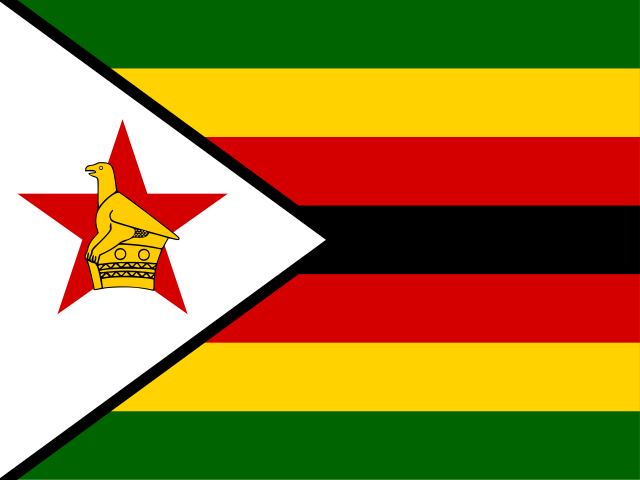
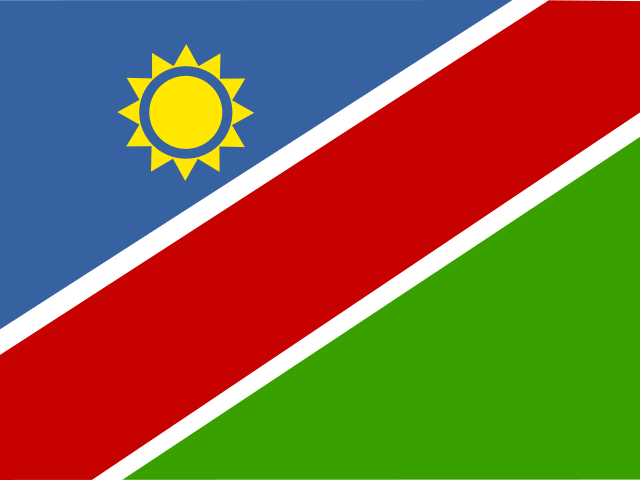
Follow the Cricket World Cup 2027 in South Africa, Zimbabwe, and Namibia. Plan match cities, stadium access, cross-border visas, and fan travel budgets.
8 min read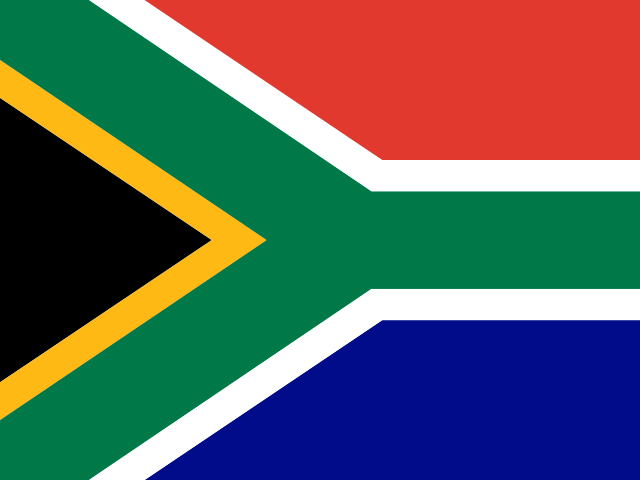
 Inspiration
The best places to visit in December across sun, snow and culture, comparing Lapland, Chiang Mai, Vienna, Costa Rica and Cape Town.
7 min read
 Itineraries
Learn how to plan a trip around major sports events in 2027, covering ticket deadlines, rooms, flights, and costs for the world's biggest tournaments.
7 min read

 Travel tips
South Africa has taken a unique path through modern history. While most of Africa consisted of European colonies until the 1950s and 60s, South Africa was an autonomous dominion under the British Crown from 1910, and…
Wikivoyage
Every section of the guide. Open one to read it in full.