Money and payments
Cards and cash
US dollars are not accepted in shops, but some stores and many restaurants and hotels take credit cards.


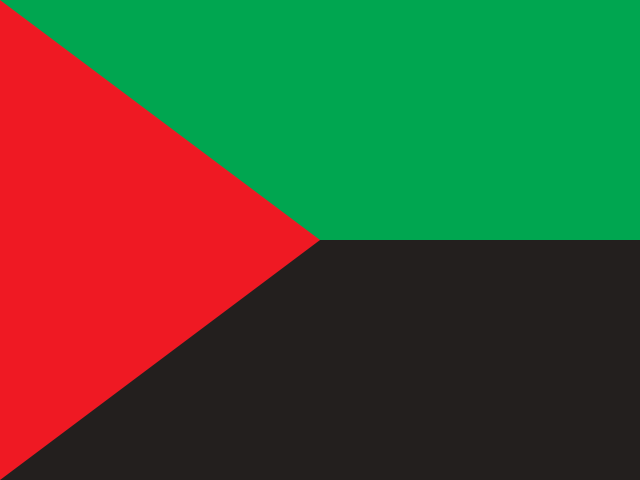 Americas · CaribbeanOutline guide
Overseas department and region of France
Photo: via Wikimedia Commons, Public domain
Martinique is a Caribbean island that is an overseas department of France in the Caribbean Sea, north of Saint Lucia and south of Dominica.
Answers to what travellers most often look up about Martinique.
Cards and cash
US dollars are not accepted in shops, but some stores and many restaurants and hotels take credit cards.
French
French and Creole patois are spoken on the islands; English is known by some inhabitants.
As in mainland France, water is safe to drink from the tap, and restaurants will happily serve this at no extra charge (l'eau du robinet).
Polite manners will go very far in this jewel of the Caribbean. When entering a business establishment, always say, 'Bonjour' and 'Merci, au revoir' when departing.
Attractions, food, stays and travel essentials, with ratings, reviews, opening hours and directions.

Fort-de-France is the largest city in and capital of Martinique. The center, which is always somewhat crowded, extends to the seaside promenade where multiple bars and restaurants are in a typically French atmosphere.
Le Carbet is a city in Martinique.
Le Diamant is a city in Martinique.

Sainte-Anne is a city in the extreme south of Martinique. Sainte-Anne has many white sand beaches, including the famous Salines beach, forming a perfect arc of a circle and considered one of the most beautiful beaches in the Lesser Antilles.

Saint-Pierre is the former capital of the island of Martinique, nowadays a community of about 5,000 people.

Les Trois-Îlets is a resort town in the French overseas territory of Martinique, in the Caribbean. It is home to about 8000 people and known as the birth place of Napoleon's wife Joséphine.
Public transport and paid services in Martinique.
By bus
There are very few buses in Martinique. Most bus services are mini buses marked "TC", which stands for "Taxi Collectifs".
By boat
There are shuttle boats every 30 min from Pointe du Bout and Trois Ilet to Fort-de-France. It is a very pleasant way of getting to Fort-de-France and also avoids the traffic.
By car
Despite the traffic, if you are going to make the most of your stay in Martinique, it is recommended that you hire a car. Without a car you will miss some of Martinique's best landscapes and scenery.
By taxi
Taxis in Martinique are not cheap. The taxi fare from the airport to Fort-de-France is around €20, €38 to Pointe du Bout and Le Francois and €55 to Sainte-Anne.
Apps for booking a taxi or a ride in Martinique.
Finding apps for Martinique…
Other ways to travel:By thumb
Operators checked against their official websites in October 2026; services that have stopped running are not listed. Logos and Wikipedia links: Wikidata (CC0)
Choose an airport to see hotels, stations, taxi ranks and car rental desks around it.
Fort-de-France · International · FDF
Loading places around the airport…
Calculated from climate averages: mild daytime highs and lower rainfall. It does not account for festivals, crowds or prices.
Average conditions in Fort-de-France
| Jan | Feb | Mar | Apr | May | Jun | Jul | Aug | Sep | Oct | Nov | Dec | |
|---|---|---|---|---|---|---|---|---|---|---|---|---|
| Avg. high | 27° | 27° | 27° | 28° | 28° | 29° | 29° | 29° | 29° | 29° | 28° | 28° |
| Avg. low | 26° | 25° | 26° | 26° | 27° | 27° | 27° | 28° | 28° | 28° | 27° | 27° |
| Rainfall (mm) | 66 | 46 | 51 | 94 | 111 | 133 | 157 | 184 | 179 | 198 | 167 | 92 |
| Humidity | 76% | 75% | 75% | 76% | 77% | 78% | 79% | 79% | 78% | 79% | 79% | 77% |
Choose your passport and destination to see whether you need a visa.
We do not label countries as safe or unsafe. Below is the official advice from two governments, with the date it was last updated. Always read the full advice before you travel.
US Department of State
Level 1 of 4Exercise normal precautions
Exercise normal precautionin Martinique. Martinique is generally a safe destination for travelers. Martinique regularly experiences hurricanes. Review our information on Weather and Natural Disasters in Martinique. Review our Travel Guidance for Martinique to learn how to prepare for a safe trip.
UK Foreign, Commonwealth & Development Office
No advice against travel. Read the full advice before you go.
Before you travel No travel can be guaranteed safe. Read all the advice in this guide. You may also find it helpful to: see general advice for women travellers read our guide on disability and travel abroad see general advice for LGBT+ travellers read about safety for solo and independent travel see advice on volunteering and adventure travel abroad Travel insurance If you choose to travel, research your destinations and get appropriate travel insurance. Insurance should cover your itinerary, planned activities and expenses in an emergency. About FCDO travel advice The Foreign, Commonwealth & Development Office (FCDO) provides advice about risks of travel to help you make informed decisions. Find out more about FCDO travel advice. Get travel advice updates Sign up to get email notifications when this travel advice is updated. Follow FCDO: travel advice on X travel advice on Facebook Travel Aware on Instagram
Stories, itineraries and practical advice for travelling in Martinique.
 Travel tips
Freighter travel is a less crowded and much slower alternative for crossing a sea or ocean, not using airplanes or commercial cruise ships or ferries.
Wikivoyage
 Nature & adventure
Volcanoes come in many shapes and sizes, and their eruptions vary hugely in both frequency and intensity. Many volcanoes are tourist attractions and are worth a visit provided you take due care, in particular keeping a…
Wikivoyage
Every section of the guide. Open one to read it in full.