//

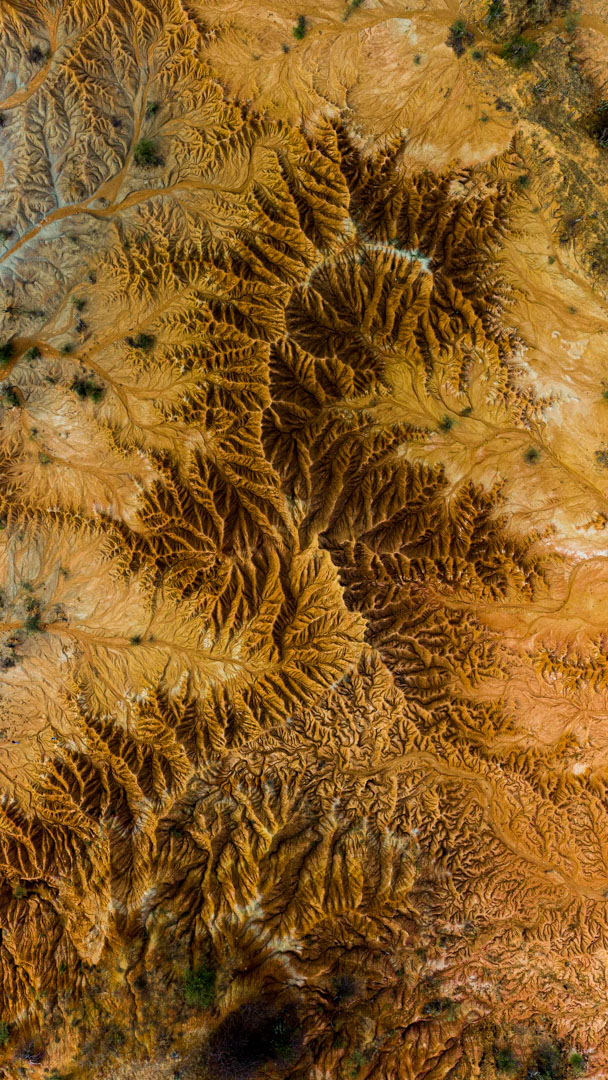
Photo: camilogaleano.com, CC BY-SA 4.0 via Wikimedia Commons
Tatacoa, Spanish name for rattlesnakes, is given to this region that is second only to the Guajira Peninsula in Colombia in terms of aridity. It is rich in fossils and contains various species of flora and wildlife, tall spiny cactus and wildcats just to name two, but most come to admire the beautiful fluted or etched landforms secondary to erosion that tend to be ocher in the El Cuzco area of the park and more gray in the Los Hoyos section.
While the labyrinth of the red El Cuzco is free to visit, the pathways of the grey desert require an entrance fee of COP$3.000.
The grey desert also has a public swimming pool (COP$5.000)
One significant point of interest in particular is the Mirador de Miguelito, on the way to the desert, which provides a great vantage point of the surrounding terrain. It's advisable to bring water and sunblock, and please refrain from climbing on the formations.
The Tatacoa Desert is the second largest arid zone in Colombia after the Guajira Peninsula. It occupies more than 330 square kilometers. This region is located north of Huila Department, 38 km from the city of Neiva and 15 km (9 mi) from Natagaima in Tolima. It is renowned as a rich deposit of fossils and a tourist destination. The Tatacoa Desert has two distinctive colors: ochre in the area of Cuzco and gray in the Los Hoyos area.
© OpenStreetMap contributors