The Rugby World Cup returns to the southern hemisphere from 1 October to 13 November 2027. Following the expanded 24-team tournament format approved by World Rugby, the rugby world cup 2027 in australia promises six weeks of elite international test rugby spread across multiple states and distinct climate zones. If you're planning to follow your national team, you'll want to sort out your entry requirements, domestic flight connections, match-ticket windows, and hotel reservations well ahead of kickoff. Australia is a massive continental landmass, and hopping between fixtures isn't like taking an hour-long train between European match venues.
Organizing a long-haul sporting campaign demands methodical planning. Between match days, you'll encounter spring weather that ranges from crisp evenings in Victoria to sub-tropical sunshine in Queensland. Let's break down everything you need to know to assemble an efficient tournament schedule.
Tournament schedule and new 24-team format
The 2027 edition introduces a revamped structure designed to give emerging rugby nations competitive game time while cutting dead-rubber pool fixtures. Twenty-four teams will compete across six pools of four teams each, followed by a round of 16. This structure reduces the overall tournament window from seven weeks down to six weeks, while ensuring top-seeded nations play meaningful matches from their opening fixture.
Match fixtures kick off on Friday, 1 October 2027, with the final scheduled for Saturday, 13 November 2027. World Rugby expects official ticket ballots and hospitality sales to launch in stages starting in late 2026. If you haven't registered on the official tournament portal yet, sign up through World Rugby to receive early ticketing alerts and ballot access codes.
Key host cities for the rugby world cup 2027 in australia
Matches will take place across Australia's capital cities and regional sports hubs. Each host city offers a distinctive urban base and distinct logistical demands.
Sydney, New South Wales
Sydney serves as the commercial heart of Australian rugby. Major fixtures, including marquee pool matches, semi-finals, and the final, are centered on Stadium Australia (Accor Stadium) at Sydney Olympic Park, alongside Allianz Stadium (Sydney Football Stadium) at Moore Park. Moore Park is easily reached by light rail from Central Station, whereas Sydney Olympic Park connects via direct event sprint trains from Central and Strathfield.
Between match fixtures, you can catch harbour ferries from Circular Quay to Manly, walk the coastal trail between Bondi and Coogee, or explore dining along Surry Hills. Staying in the Sydney CBD, Darling Harbour, or Surry Hills gives you direct transit access to both stadiums without needing a rental car.
Melbourne, Victoria
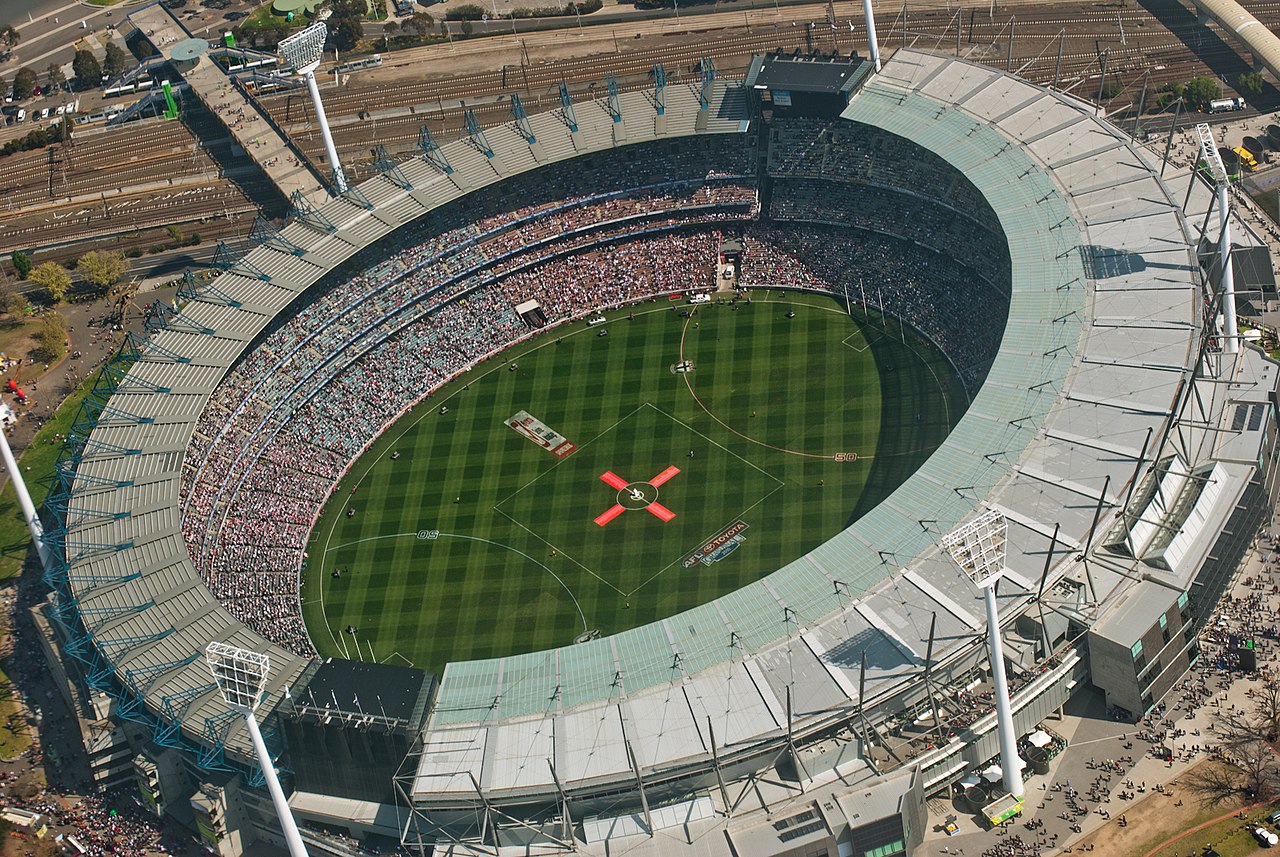
Melbourne is Australia's sporting capital, where sports culture runs deep year-round. Pool games and potential knockout fixtures will light up the Melbourne Cricket Ground (MCG) and Marvel Stadium in Docklands. Both venues sit right on the edge of the central business district. You can stroll directly from Federation Square through Yarra Park to the MCG, or take the free city tram down to Marvel Stadium.
October in Melbourne brings unpredictable spring weather—locals joke about experiencing four seasons in one afternoon. Pack layered clothing, including a waterproof jacket for evening matches. Melbourne's famous laneway coffee culture, the National Gallery of Victoria, and riverside Southbank keep visitors occupied between tournament match days.

Brisbane, Queensland
Brisbane's Suncorp Stadium (Lang Park) is widely regarded as one of the finest rectangular rugby venues on earth. The steep grandstands place 52,500 spectators right on top of the playing surface, generating an intense match atmosphere. The stadium sits in the inner suburb of Milton, just a short walk or one-stop train ride from Roma Street Station.
Queensland enjoys warm, sunny spring temperatures in October and November, with daily highs averaging 26°C to 28°C. Before evening kickoffs, Caxton Street turns into an open-air pedestrian street celebration packed with fans from both competing nations.
Perth, Western Australia
Perth provides the western gateway to the tournament. Fixtures at Optus Stadium (Perth Stadium) overlook the Swan River in Burswood. The 60,000-seat multi-purpose venue connects directly to the Perth CBD via the Matagarup Footbridge and dedicated match-day trains from Perth Station.
Because Perth is separated from Sydney and Melbourne by a four-hour flight and a three-hour time difference, visiting supporters should treat Western Australia as a dedicated travel leg rather than a quick overnight trip. Spend three or four days exploring Fremantle's historic markets, taking a ferry to Rottnest Island, or touring the vineyards of the Swan Valley.

Adelaide and regional hubs
Adelaide Oval, framed by St Peter's Cathedral and the River Torrens footbridge, ranks among the most picturesque sports grounds anywhere in the world. Adelaide's compact city grid makes walking between your hotel, the central market, and the stadium effortless. Additional pool games may also be staged in Canberra or Newcastle, giving international fans an authentic taste of regional Australian hospitality.
Host venues and spectator logistics
To help organize your travel legs and match schedule, here is how the primary tournament host stadiums compare across capacity, access, and neighborhood bases.
| Host city | Primary tournament stadium | Spectator capacity | Primary transit access |
|---|---|---|---|
| Sydney | Stadium Australia (Olympic Park) | 82,500 | Direct Olympic Park sprint trains from Central |
| Melbourne | Melbourne Cricket Ground (MCG) | 100,024 | Short walk from CBD or Richmond railway station |
| Brisbane | Suncorp Stadium (Lang Park) | 52,500 | Milton rail station or stroll via Caxton Street |
| Perth | Optus Stadium (Burswood) | 60,000 | Stadium rail station or Matagarup Footbridge |
Australian visas and entry formalities
Every international visitor arriving in Australia needs a valid visa or electronic travel authority before boarding their outbound flight. Australia does not offer visas on arrival at airport border control. Check official entry rules on Smartraveller.
Eligible passport holders from over 30 countries—including the United States, Canada, the United Kingdom, Japan, Singapore, and European Union member states—can apply for an Australian Electronic Travel Authority (subclass 601) through the official Australian ETA smartphone application. As of October 2026, the ETA application fee is AUD $20, and applications are typically approved within minutes, though you should submit yours at least one month before departure. For a detailed breakdown of eligibility and smartphone scanning requirements, read our guide on the Australia ETA and New Zealand NZeTA.
Citizens of European countries can also apply for the free eVisitor visa (subclass 651) online. If your passport doesn't qualify for the ETA or eVisitor streams, you'll need to submit a Visitor visa (subclass 600) application online, which requires uploaded bank statements and employment verification. Don't wait until the tournament draws near—apply three to four months in advance. You can run your specific passport requirements through our visa checker tool to verify current processing windows.
[!TIP] Download the official Australian ETA app well before your trip. It scans your passport's e-chip and takes a live selfie to issue approval, avoiding third-party agency markup fees.
Getting around Australia: domestic flights and transit
Australia spans nearly 4,000 kilometers from east to west. While driving between Sydney and Melbourne is possible along the Hume Highway (about 9 hours), flying is the only practical option when traveling between distant match cities on tight tournament schedules.
Domestic airlines
Domestic routes are served by reliable carriers including Qantas, Virgin Australia, and Jetstar. Book domestic flights as soon as your team's pool match dates and venues are confirmed. Flight prices between Sydney, Melbourne, and Brisbane jump sharply over tournament weekends when thousands of rugby supporters move simultaneously between cities.
Local public transport systems
Each Australian capital operates an integrated contactless ticketing system. You don't need to purchase plastic transit cards in Sydney, Melbourne, Brisbane, or Perth—simply tap your contactless credit card, debit card, or smartphone wallet on ticket barriers and bus validators.
- Sydney: Opal network covers trains, light rail, buses, and ferries.
- Melbourne: Myki network covers trams, trains, and buses. Trams within Melbourne's central grid are completely free.
- Brisbane: Translink system accepts contactless payment across trains, buses, and CityCat river ferries.
- Perth: SmartRider readers on Transperth trains and buses support digital payment, and central city buses are fare-free.
Accommodation strategies and booking timelines
Hotel room inventory across Australia's capital cities tightens rapidly during major international events. For the 2027 tournament, secure your lodgings using flexible, refundable reservation rates as soon as pool fixtures are drawn.
- Sydney: Choose accommodations in Central, Haymarket, or Barangaroo to maintain fast rail connections to both Sydney Olympic Park and Allianz Stadium.
- Melbourne: The CBD, Southbank, and East Melbourne provide walking access to the MCG and Marvel Stadium, saving you time after late-night games.
- Brisbane: South Bank, Brisbane CBD, and Paddington offer dining scenes within walking distance of Suncorp Stadium.
- Perth: East Perth and the central city sit directly across the river footbridge from Optus Stadium.
As of October 2026, expect mid-range city hotels (3 to 4 stars) to charge between AUD $220 and AUD $380 per night on standard dates, rising to AUD $450 or more on semi-final and final weekends. Backpacker hostels average AUD $55 to AUD $90 for dorm beds in central locations.
Tournament travel costs and fan budgets
Australia is an upscale travel destination, but sensible spending habits can keep costs manageable.
- Match tickets: As of October 2026, category D pool stage tickets start around AUD $65 to AUD $95, while prime Category A seats for knockout fixtures will range from AUD $280 to over AUD $900 for the final.
- Daily food and drink: Expect to spend AUD $20 to AUD $30 for a café breakfast with flat white coffee, AUD $25 for a pub counter meal (like a chicken schnitzel or burger), and AUD $12 to AUD $15 for a pint of local craft beer.
- Connectivity: Pre-purchase an Australian eSIM or pick up a local SIM from Telstra or Optus at airport arrivals for reliable 5G data during stadium events.
For comprehensive day-by-day travel planning, explore our interactive trip planner to map out rest days between fixtures. You can also review official tourism advice at Tourism Australia.
Frequently asked questions
When do tickets go on sale for the Rugby World Cup 2027?
World Rugby typically opens official ticket ballots 10 to 12 months before the opening kickoff. Fan club members and registered tournament newsletter subscribers receive early access windows before general public sales begin.
How do I get to Stadium Australia for the final?
Direct express trains run between Sydney Central Station and Olympic Park Station on major match days. The journey takes roughly 25 minutes, and trains depart every few minutes before and after the game.
Can I travel between match cities by train?
While scenic regional trains connect Sydney, Melbourne, and Brisbane, journey times range from 11 to 14 hours. Domestic commercial flights are far more practical for tournament schedules.
Is tipping customary at Australian stadiums and pubs?
Tipping is not customary in Australia. Stadium concessions, bars, and casual restaurants pay fair award wages. You aren't expected to tip, though leaving 5% to 10% for exceptional table service is appreciated.