

When planning a tropical escape to the Philippines, the choice almost always narrows down to two celebrated destinations: Palawan or Boracay. Both offer crystal-clear tropical waters, warm Filipino hospitality, and stunning coastal scenery. Yet they cater to fundamentally different travel styles and preferences.
Palawan is an expansive, wild eco-adventure destination characterized by dramatic limestone karst towers, hidden interior lagoons, and boat expeditions. Boracay, by contrast, is a compact, four-kilometer-long resort haven built around arguably the finest beach sand in Southeast Asia, with seamless walkability and lively nightlife.
Choosing between them depends on whether you seek rugged nature exploration or effortless beachside relaxation. This comprehensive head-to-head comparison breaks down beaches, activities, logistics, and costs to help you select the ideal island for your holiday.
The Beach Experience: Pure Sand vs Secret Coves
The beach experience forms the sharpest distinction between both destinations:
Boracay's White Beach
Boracay's primary claim to fame is White Beach, an unbroken four-kilometer stretch of sand that feels like sifted confectioners sugar beneath your feet. The shoreline slopes gently into calm, transparent waters free of sharp coral, rocks, or strong undertows. You can walk barefoot for miles, swim safely at any tide, and relax on sun loungers situated directly outside beachfront cafes and resorts.
Palawan's Hidden Coves
Palawan does not feature a single continuous beach strip. Instead, its shoreline is carved into dramatic secret coves, hidden bays, and offshore sandbars accessible primarily by boat. Mainland El Nido town has a narrow, busy beach lined with bangka boats; for proper swimming, you must ride a tricycle twenty minutes north to Nacpan Beach—a glorious four-kilometer stretch of golden sand and coconut groves—or take an island-hopping tour to Shimizu Island or Secret Beach.

Activities and Day Trips: Nature Exploration vs Water Sports
How you spend your daytime hours differs substantially on each island:
Adventures in Palawan
Palawan is made for active outdoor adventurers. Your days are spent boarding motorized bangka boats for full-day island-hopping circuits through the Bacuit Archipelago in El Nido or Coron Bay.
Highlights include paddling sea kayaks through the narrow rock entrance into Big Lagoon, crawling through a natural stone tunnel to reach Secret Beach, and snorkeling over coral reefs teeming with sea turtles and clownfish. In Coron, scuba divers explore World War II shipwrecks, while hikers climb Mount Tapyas for panoramic sunset vistas across the Calamian islands.
Leisure in Boracay
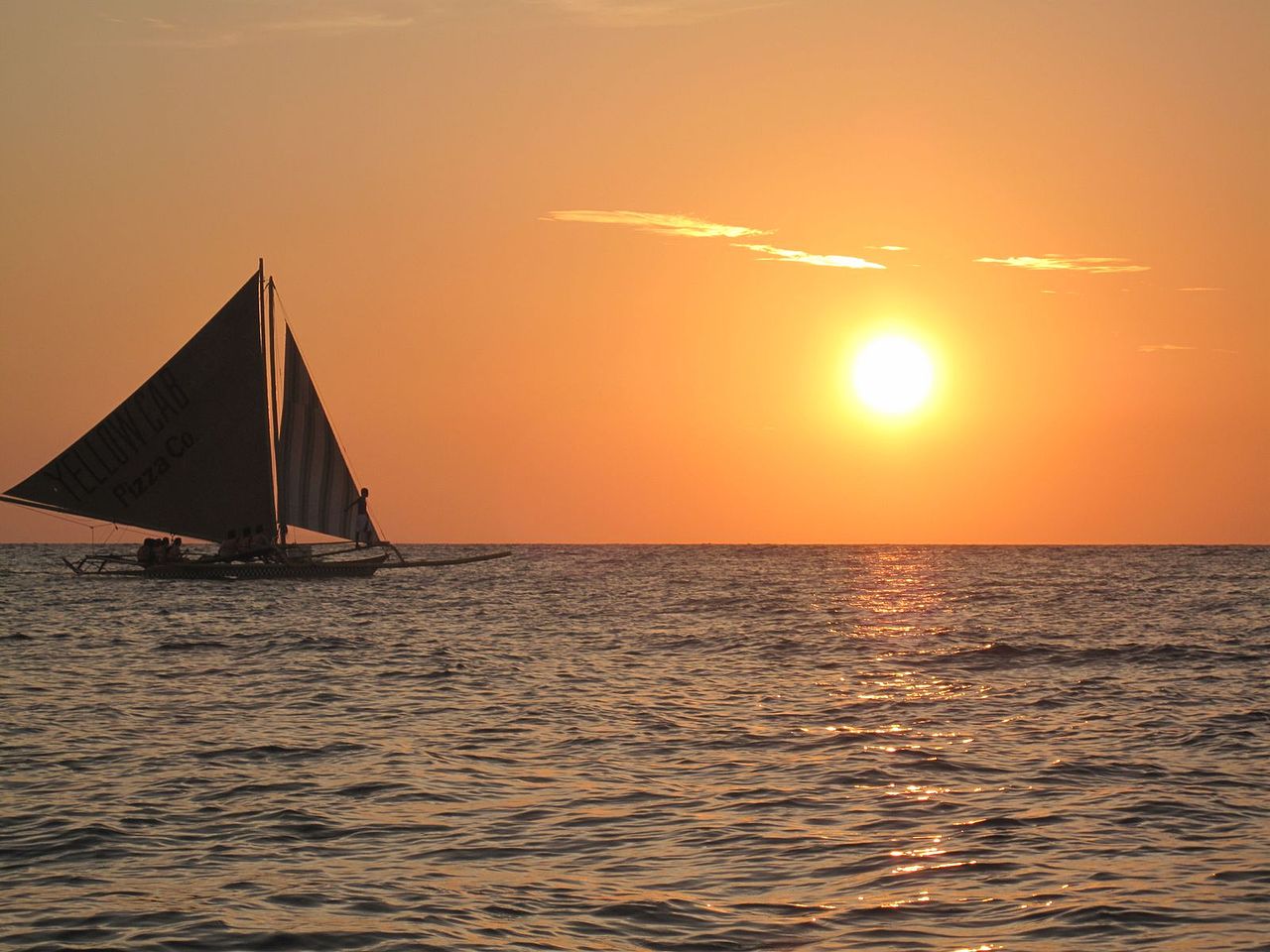
Boracay offers relaxed water recreation and beachside leisure. Popular activities include stand-up paddleboarding in the calm morning shallows, paraw sailing at sunset, scuba diving along shallow coral reefs, kitesurfing on windy Bulabog Beach, and helmet diving along offshore platforms. When not on the water, you can wander the sandy pedestrian path of White Beach, indulge in open-air beachfront massages, and browse the boutiques of D'Mall.

Nightlife, Dining, and Atmosphere
After the sun sets, the energy and evening options of each island diverge:
Boracay possesses one of Southeast Asia's most enjoyable beachfront nightlife scenes. As dusk falls, White Beach comes alive with acoustic live bands, fire dancers performing on the sand, seafood buffet barbecues, and open-air cocktail lounges serving rum punches under string lights. Station 2 offers high-energy beach parties, while Station 1 and Station 3 provide romantic, low-lit seaside dining.
Palawan's nightlife is far more subdued and low-key. In El Nido town and Corons center, evenings revolve around cozy seaside craft beer pubs, relaxed acoustic music bars, and fresh grilled fish restaurants along Serena Street. Most travelers turn in early around 22:00 to prepare for 08:30 boat departures the following morning.
Dining and Culinary Scene Comparison
Food lovers will find distinct culinary atmospheres on each island:
Boracay functions as an international gastronomic hub. Within the open-air avenues of D'Mall and along White Beach, you can choose from authentic Neapolitan wood-fired pizzerias, fresh Greek tavernas, craft burger bars, and Korean barbecue joints. Fresh mango fruit shakes from local institutions like Jonah's Fruit Shake are an essential daily refreshment.
Palawan's culinary scene is anchored in local seafood and bohemian eco-cafes. In El Nido, waterfront barbecue grills display the days catch—squid, red snapper, and yellowfin tuna—grilled over coconut charcoal with garlic butter and chili calamansi dipping sauce. Kinilaw, a native Filipino raw fish ceviche cured in palm vinegar, ginger, and coconut milk, is served fresh across town alongside boutique French bakeries and organic farm-to-table cafes.
Seasonal Weather: Amihan and Habagat Monsoons
Understanding the two primary monsoon systems in the Philippines is crucial for planning your trip:
The Amihan season (northeast monsoon) runs from late November through May. This is the optimal window for both islands, characterized by clear blue skies, minimal rainfall, and gentle offshore breezes. On Boracay, White Beach becomes flat and glassy like a swimming pool, offering perfect swimming conditions.
The Habagat season (southwest monsoon) prevails from June through October. Strong winds blow directly onto Boracay's White Beach, prompting beachfront establishments to install protective windbreak netting, while windsurfers migrate across to Bulabog Beach. Palawan experiences frequent afternoon rain showers and rougher sea swells during Habagat, occasionally causing coast guard cancellations of island-hopping tours.
Travel Logistics and Getting There
Getting to each destination requires navigating different transit routes:
Reaching Boracay is remarkably swift and simple. Fly one hour from Manila or Cebu directly to Caticlan Airport. From the terminal, a five-minute tricycle ride brings you to Caticlan Jetty Port, followed by a smooth 15-minute passenger ferry crossing directly to Boracay Island.
Palawan requires more transit effort. While direct charter flights connect Manila to El Nido's private Lio Airport via AirSWIFT, tickets are costly ($120 to $180 USD one way). Most budget-conscious travelers fly to Puerto Princesa International Airport, then endure a five-to-six-hour shared passenger van ride across bumpy mountain highways to reach El Nido. Reaching Coron requires flying directly to Busuanga Airport, followed by a 45-minute shared shuttle van to Coron town.
Side-by-Side Comparison Matrix
Review this direct comparison table to evaluate which island suits your travel criteria:
| Travel Factor | Palawan (El Nido / Coron) | Boracay Island | Winner |
|---|---|---|---|
| Beach Quality | Dramatic coves, but requires boats | Unbroken 4 km powdery white sand | Boracay |
| Scenery & Nature | Towering karst cliffs, emerald lagoons | Flat sandy coastline, palm groves | Palawan |
| Snorkeling & Diving | Pristine reefs, turtles, shipwrecks | Shallow reefs, artificial dive sites | Palawan |
| Transit Convenience | 5-6 hour van ride or expensive flight | 1-hour flight + 15-min boat ferry | Boracay |
| Nightlife & Dining | Relaxed pubs, acoustic bars | Live beach bands, fire dancers, clubs | Boracay |
| Accommodation | Eco-bungalows, cliffside villas | Luxury beachfront resorts, hostels | Tie |
Frequently Asked Questions
Which island is better for families with young children?
Boracay is significantly better for families traveling with toddlers or young children. The calm, shallow water of White Beach has no drop-offs, the absence of motorized road traffic on the beach path provides safe walking, and transit from Caticlan Airport involves only a quick 15-minute boat ride.
Is Palawan more expensive than Boracay?
Daily living costs (food and drinks) are comparable on both islands. However, Palawan tends to cost slightly more overall because enjoying its primary highlights requires paying for daily island-hopping boat tours ($22 to $35 USD per person per day), whereas Boracay's best attraction—White Beach—is completely free.
Which destination is better for solo travelers?
Both are welcoming for solo travelers. Boracay makes meeting other travelers effortless along White Beach hostels, cafes, and beachfront bars. Palawan is ideal for adventurous solo travelers who enjoy group island-hopping boat tours, shared kayak excursions, and scuba diving trips.





