

Planning a vacation across Asia often revolves around a single high-stakes question: will it rain every day? Asia's rainy seasons, or wet seasons, don't follow a simple summer-versus-winter rule, so it pays to check them month by month. One region floods while an island a short flight away is sunny, so you can almost always find dry weather somewhere.
Records from the Thai Meteorological Department, the India Meteorological Department and the Japan Meteorological Agency show that Asia's weather is driven by huge seasonal wind systems.
The Indian Ocean and Southeast Asian Southwest Monsoon brings heavy rain to India, Thailand's Andaman coast, and southern Vietnam between May and October. From November to February, the Northeast Monsoon brings dry, cool air to northern Thailand.
It drenches central Vietnam and Malaysia's east coast. Indonesia and Bali sit south of the equator and run on the opposite schedule: dry and sunny from May to September, wet from December to March.
Before booking flights, check entry requirements with our visa checker tool and map your destinations using our trip planner tool.
Rainy seasons in Asia, month by month
You don't need to cancel your trip just because a country is in its rainy season. In much of Southeast Asia, rain comes as a heavy afternoon downpour of 45 to 90 minutes. Mornings and early afternoons usually stay sunny and dry.
The table below provides a quick reference for rainfall conditions across major Asian travel regions throughout the year:
| Month & season | Wettest regions (monsoon / typhoons) | Driest regions (prime beach weather) | Practical traveler notes |
|---|---|---|---|
| January | Bali, East Java, Central Vietnam (Hue) | Thailand (Phuket & Samui), Sri Lanka west, Cambodia | Peak winter travel across Southeast Asia |
| February | Indonesia (Bali & Lombok), Northern Luzon | Thailand, Vietnam south, Sri Lanka south, India | Excellent month for outdoor hiking |
| March | Sumatra, Flores, western Java | Thailand, Cambodia, Vietnam, South India | Heat builds rapidly across mainland Asia |
| April | Southern Indonesia transitions; pre-monsoon rain | Japan (cherry blossoms), Taiwan, Sri Lanka | Songkran water festival in Thailand |
| May | Thailand Andaman (Phuket), Myanmar, Kerala | Bali, Lombok, Komodo, Central Vietnam (Danang) | Southwest monsoon begins in South Asia |
| June | India, Thailand west, Japan (tsuyu rain) | Bali, Malaysia east (Perhentians), North Vietnam | Good shoulder rates in Phuket and Krabi |
| July | India, Nepal, Japan, Korea, Thailand west | Indonesia (Bali & Gili), Central Vietnam, Ladakh | Peak European summer holiday travel |
| August | India, Philippines (typhoons), North Thailand | Indonesia, Malaysia east, Central Vietnam coast | Intense monsoon across the subcontinent |
| September | Thailand (Bangkok & Chiang Mai), Vietnam, Laos | Bali, East Indonesia, Northern China | Wettest month overall for mainland Southeast Asia |
| October | Central Vietnam (Hoi An), Cambodia, Philippines | North India (Rajasthan), South Korea, Japan | Southwest monsoon retreats; floods possible |
| November | Central Vietnam, Thailand Gulf (Koh Samui) | Thailand west, Cambodia, Laos, India, Sri Lanka | High season begins in Thailand and India |
| December | Bali, Malaysia east coast, Koh Samui | Thailand west, Sri Lanka south, Vietnam south | Peak holiday volume; high hotel rates |
Southeast Asia's two monsoons
Southeast Asia doesn't have a single rainy season. The region is shaped by two distinct seasonal wind patterns: the Southwest Monsoon and the Northeast Monsoon.
Bangkok gets most of its rain from May to October, usually in short afternoon storms, so you can still sightsee in the morning.

Thailand's coast-to-coast split
Thailand provides the clearest example of microclimate contrast. If you're planning a beach holiday between May and October, the Andaman Coast (Phuket, Krabi, Koh Phi Phi) experiences its wettest months due to the Southwest Monsoon. Rough seas can suspend speedboats and island-hopping ferries.
The Gulf islands are different. In those same months, Koh Samui, Koh Phangan and Koh Tao sit in a rain shadow and get far less rain.
In November and December it flips. Phuket is sunny, while Koh Samui has its wettest weeks of the year. If you're traveling under Thailand's 30-day visa-free rule, pick the coast that matches your travel month.
Vietnam's three distinct climate zones
Vietnam stretches over 1,600 kilometers from north to south, dividing into three distinct weather zones:
- North Vietnam (Hanoi, Halong Bay, Sapa): Hot, humid, and rainy from May to August. Cool, dry, and misty from November to March.
- Central Vietnam (Hue, Da Nang, Hoi An): Dry and sunny from February to August. Heavy monsoon rains and localized typhoon flooding strike between September and November.
- South Vietnam (Ho Chi Minh City, Mekong Delta, Phu Quoc): Consistent tropical temperatures year-round, with a distinct dry season from December to April and an afternoon rainy season from May to November.
The Indonesian anomaly: Bali and Lombok
Because Indonesia sits south of the equator, its seasons are completely inverted compared to mainland Southeast Asia.
While Thailand and Vietnam get drenched during July and August, Bali, Lombok, and the Komodo Islands enjoy their driest, coolest, and sunniest weather. Daytime temperatures hover around 28°C (82°F) with low humidity and refreshing offshore breezes. Bali's rainy season arrives from December through March, bringing frequent tropical cloudbursts and high humidity.
South Asia and the great Indian monsoon
In South Asia, the monsoon is not merely weather—it dictates agriculture, river flows, and the entire rhythm of life.
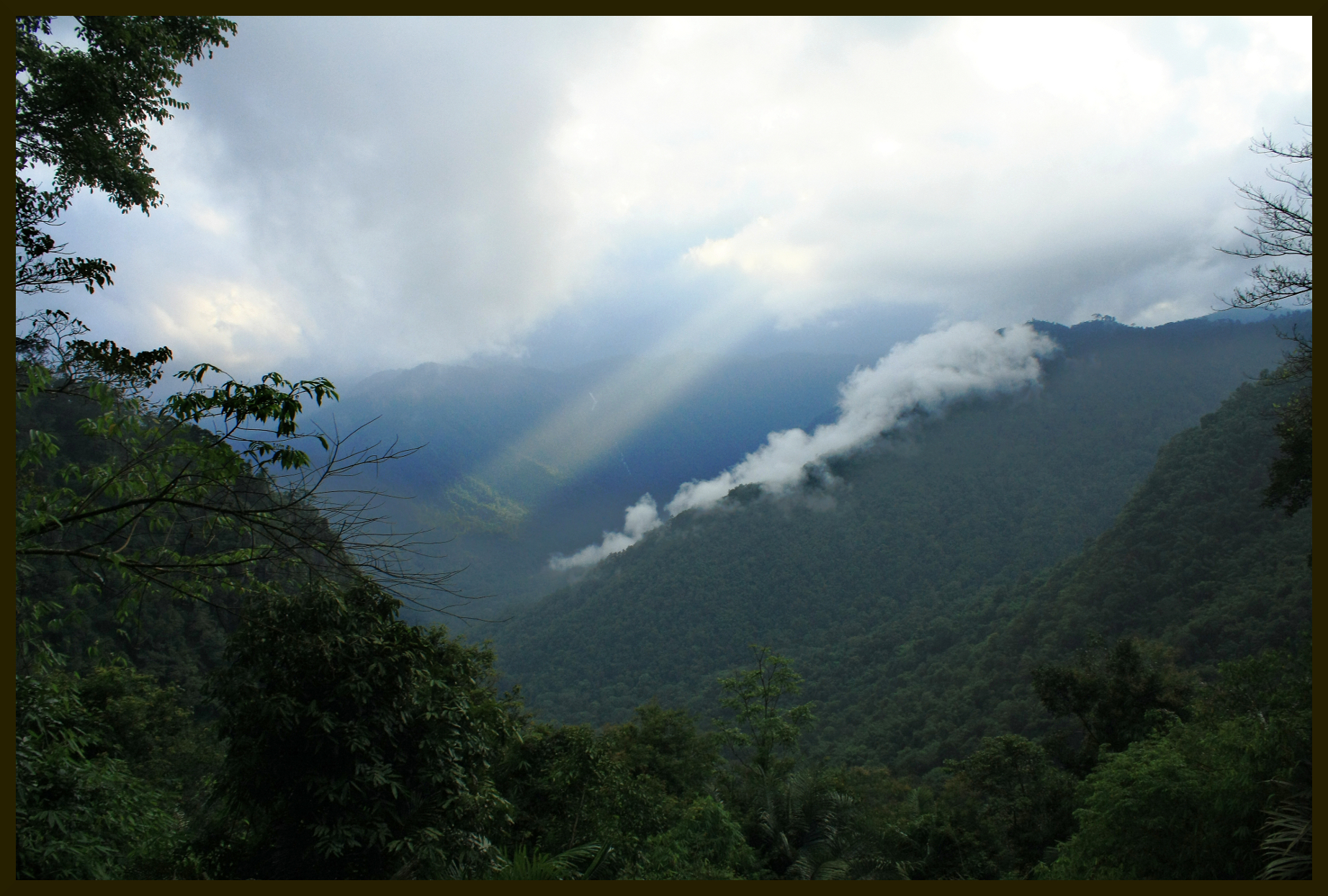
India: The arrival of the Southwest Monsoon
The Indian monsoon makes landfall in Kerala on the southwestern coast around 1 June, steadily advancing north across Mumbai, Rajasthan, and New Delhi by early July. From June through August, much of India experiences relentless, torrential rains that can disrupt rural train lines and inundate low-lying urban areas.
However, certain regions of India are ideal during the summer monsoon:
- Ladakh and Spiti Valley: Situated behind the high Himalayan rain shadow at altitudes exceeding 3,000 meters (9,800 feet), Ladakh receives less than 100 millimeters (4 inches) of annual precipitation. This makes June through September the prime window for high-altitude road trips across 5,300-meter passes and Buddhist monastery tours.
- Kerala Ayurveda season: Traditional Ayurvedic practitioners consider the humid, cool monsoon months of June and July the ideal time for rejuvenating herbal treatments, with wellness resorts offering discounts of 30% to 50% compared to December peak pricing.
Sri Lanka: Two opposing monsoons
Sri Lanka is unique because it features two completely independent monsoon cycles across its 65,610-square-kilometer area:
- The Yala Monsoon (May to September): Brings rain to the southwest coast (Colombo, Galle, Mirissa) and the central hill country, where rainfall can average 300 to 500 millimeters per month.
- The Maha Monsoon (October to January): Brings rain to the northern and eastern coasts (Trincomalee, Jaffna, Arugam Bay).
This means Sri Lanka is a true year-round destination. If you want beach sunshine in July, head to the east coast at Arugam Bay or Nilaveli, where ocean temperatures hover at 29°C (84°F). If you're traveling in January, the south coast and the iconic Kandy to Ella train ride offer green vistas, passing 1,800-meter tea estates under clear mountain skies.
East Asia: frontal rains and typhoon season
East Asia operates on entirely different meteorological mechanisms, marked by seasonal frontal rain bands followed by late-summer typhoons.

The plum rain (Tsuyu and Changma)
In June and early July, a stationary weather front stalls across eastern China, South Korea, and main-island Japan for roughly 30 to 40 days. This period is known as Tsuyu (plum rain) in Japan and Changma in South Korea.
East Asia's plum rain isn't like a 30-minute tropical storm. You get days of gray skies, drizzle and humidity above 80%. Tokyo and Kyoto receive over 180 millimeters (7 inches) of rain during June.
The Western Pacific typhoon season
From late July through October, powerful tropical cyclones (known as typhoons) develop over the warm waters of the Western Pacific, packing winds above 130 km/h (80 mph).
The primary typhoon belt affects:
- The Philippines: Encounters 15 to 20 typhoons annually, with peak frequency between July and October.
- Taiwan and Eastern China: Face landfall risks primarily between July and September, with central mountain ranges recording up to 400 millimeters of rainfall in 24 hours.
- Southern and Central Japan: Okinawa and coastal Honshu encounter strong typhoons mostly in August and September, which can ground domestic flights and temporarily pause Shinkansen bullet train routes.
Practical tips for traveling during Asia's rainy seasons
- Don't fear the afternoon shower: In tropical Southeast Asia, rain rarely lasts all day. Schedule outdoor sightseeing, temple visits, and boat rides between 8:00 AM and 1:00 PM, saving indoor museum tours and spa visits for late afternoon when showers hit.
- Stay connected for weather radar: Download local radar apps and install a dependable travel eSIM so you can track localized storm cells on your phone 30 minutes before heading outdoors.
- Pack dry bags and slip-resistant footwear: Smooth marble temple tiles and cobblestone sidewalks turn slick when wet. Wear sturdy footwear with rubber grip, and carry a lightweight 5-liter dry bag to shield your $800 camera and passport.
- Take advantage of low season rates: As of October 2026, beachfront resorts in Phuket, Krabi, and Da Nang often cut room rates from $200 per night down to $70 or $90 during the green season, making high-end travel far more affordable.
Frequently asked questions
Which month is the rainiest in Southeast Asia?
September is generally the rainiest month across mainland Southeast Asia, including Thailand, Cambodia, Laos, and southern Vietnam. During September, the ground is saturated from months of rain, increasing the likelihood of urban street flooding and swollen rivers.
Is Bali rainy when Thailand is dry?
Yes. Bali and Thailand follow opposite rainy seasons. Thailand's main dry season runs from November through April, while Bali's dry season runs from May through September. When Thailand is wet in July and August, Bali enjoys sunny, dry weather.
Can you still travel to Thailand during the rainy season?
Yes. Traveling to Thailand during the green season (May to October) has major advantages: waterfalls flow at peak volume, rice paddies look bright emerald green, flights and hotels are discounted, and popular attractions like the Grand Palace are far less crowded. Rain usually falls as intense bursts in the late afternoon.
When is typhoon season in the Philippines and Japan?
Typhoon season in the Western Pacific peaks from July through October. The Philippines encounters the highest number of storms between July and September, while southern Japan and Taiwan experience typhoon risks primarily during August and September.






